
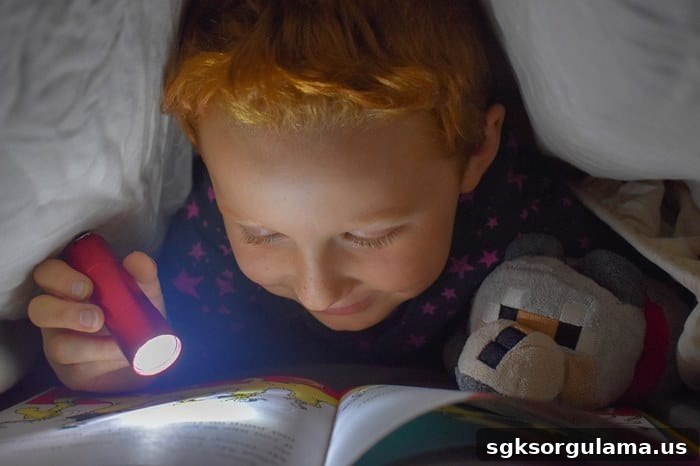
To instill a habit of reading in children, parents can adopt various practices and activities. These approaches help children discover the enjoyable side of books, making each new book feel like a new world. Advice from teachers, specialists, and child psychologists can be useful when trying to encourage children to read.
Keep Books Throughout the Home
Placing a book in every room of the house can spark a child’s curiosity. When books appear in the living room, the child’s bedroom, or even in the kitchen or bathroom, a child is more likely to pick one up and start exploring it. One important detail is the book cover: choosing books with eye-catching covers for different rooms can further stimulate a child’s interest.
Put Books Within Reach
Keep books where your children can reach them so they don’t always have to ask an adult when they want to read. This allows children to access books independently and fosters autonomy. Otherwise children can come to associate books with parental permission and may assume that reading is something parents do for them rather than something they do themselves.
Make the Book Visible
To draw attention to a book, place it slightly forward on a shelf so it stands out among other books. A prominently displayed book is more likely to catch a child’s eye, and curiosity may prompt them to browse and begin reading.
Set a Reading Time
Establish regular reading times. These are often scheduled before bedtime, but if your child is not engaged at that time, choose another slot. For example, read parts of a favorite book during breakfast, or pick a time when your child is most attentive. Flexibility helps make reading enjoyable rather than a chore.
Don’t Force Reading
Forcing a child to read can backfire. Children usually resist activities presented as obligations and may begin to dislike them. Explain that reading can happen at many times of day and that it helps develop imagination and provides quality leisure time. If children feel reading is mandatory, they may withdraw; if they understand it’s a choice that makes them feel good, they are more likely to embrace it.
Comics Help
Comics are powerful tools for encouraging reading habits. When children read comics, they follow text and images together, which makes scenes easier to picture and supports imagination development.
Use Wordless Books
Wordless picture books help children develop creativity, interpretation skills, and critical thinking. For children just learning to read, books that tell stories through images encourage them to think, interpret visual information, and form reading habits.
Find Book Recommendations for Children
Look for publications and channels that recommend children’s books and consider their suggestions. Introducing children to different genres and authors broadens their imagination and exposes them to new perspectives. Parents being open to diverse viewpoints helps children do the same.
Shop for Books Together
Take your children with you when buying books and avoid restricting their choices. Let them browse and pick the books they want. If possible, let them pay at the register—this builds confidence and creates a stronger sense of ownership and attachment to the book they chose.
Avoid Repeating the Same Book Too Much
Don’t prevent your children from rereading a favorite book, but encourage exploration of new titles as well. Children often repeat activities they enjoy, including rereading the same story. Gently guide them toward new books to help them gain different perspectives and support their development as curious learners.
Family Reading Activities
Organize family reading times where everyone gathers and reads aloud a passage. Involving children and giving them a role helps them embrace reading as a family activity and makes it something they want to repeat. Parents reading aloud also helps children visualize stories and develop imagination.
Use e-Books
e-Books are easily read on tablets, smartphones, and computers that children already use. Rather than insisting on paper-only books, allow children to read e-books or listen to audiobooks. These formats can encourage research and exploration and play an important role in helping children develop reading habits.
Use a Bedside Lamp
A bedside reading lamp can be an attractive detail for children. Let them choose the lamp to create a stronger attachment. Explain that the lamp is for nighttime reading so they associate it with the activity; this makes them more likely to turn it on and read.
Create a Reading Nook
Design a cozy reading area for your children and include decorations they like. Involve them in designing the space so they’ll want to spend time there. When children understand that a particular area is meant for reading and they feel ownership over it, they are more likely to sit there with a book.
Combine Books and the Internet
Encourage children to research books and authors online when they like a title. This helps them use the internet constructively and deepens their interest in reading by linking it to further discovery.
Include Books in Playdates
Place books where children play with friends so books are as accessible and familiar as toys. This helps children form an emotional connection with books and see them as part of everyday play.
Keep Books at Eye Level
Store children’s books at their eye level so they’re easily seen and reached. Placing books where children can easily view them prevents distancing and promotes familiarity.
Parents Reading Matters
When family members read, it sets an example for children. Seeing parents read shows that reading is a shared, valued activity and can stimulate a child’s desire to read.
Encourage Keeping a Journal
Encourage children to keep a diary. Writing is as important as reading for development, and the two activities complement each other.
Subscribe to Children’s Magazines
Subscribe to children’s magazines. Their activities—coloring, reading, and puzzles—capture children’s attention. Some magazines offer prize puzzles; completing and submitting these puzzles can bring rewarding feedback that motivates children and increases their interest in reading.