
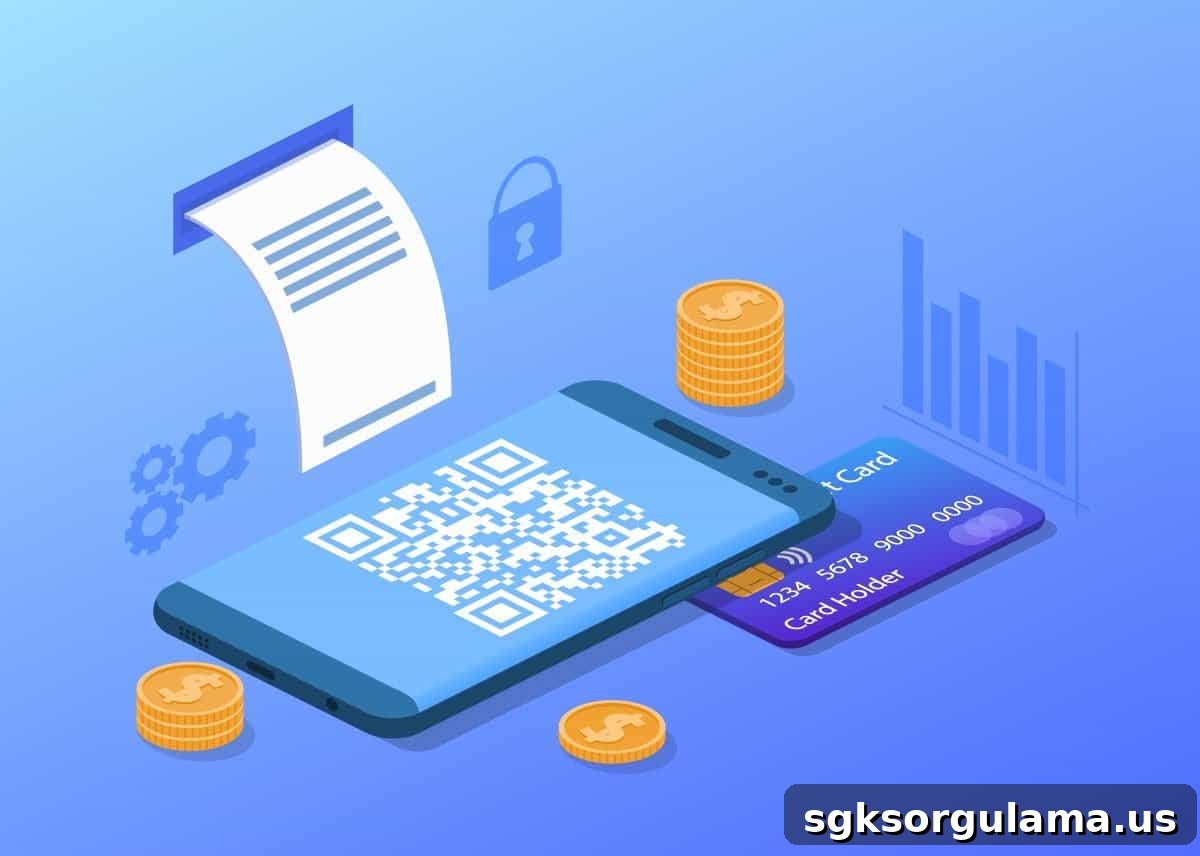
For online merchants, using a virtual POS (point of sale) system is crucial. Especially for businesses aiming to expand their operations and reach new customers, integrating a virtual POS solution is essential. There are several ways to obtain a virtual POS.
What Is a Virtual POS?
Payment methods play a major role in increasing online sales and reaching a broader audience. Most online purchases are made with credit or debit cards, while transfers such as bank transfer or EFT are used less frequently. For this reason, obtaining a virtual POS is important for e-commerce sites. A virtual POS allows customers to pay with a bank or credit card on an e-commerce site. While a physical POS device is used in brick-and-mortar stores, a virtual POS performs the same function in an online environment: when a purchase is completed on the site, the payment is processed digitally. Payments made via virtual POS are debited from the buyer’s account for the relevant amount and transferred to the seller’s bank account.
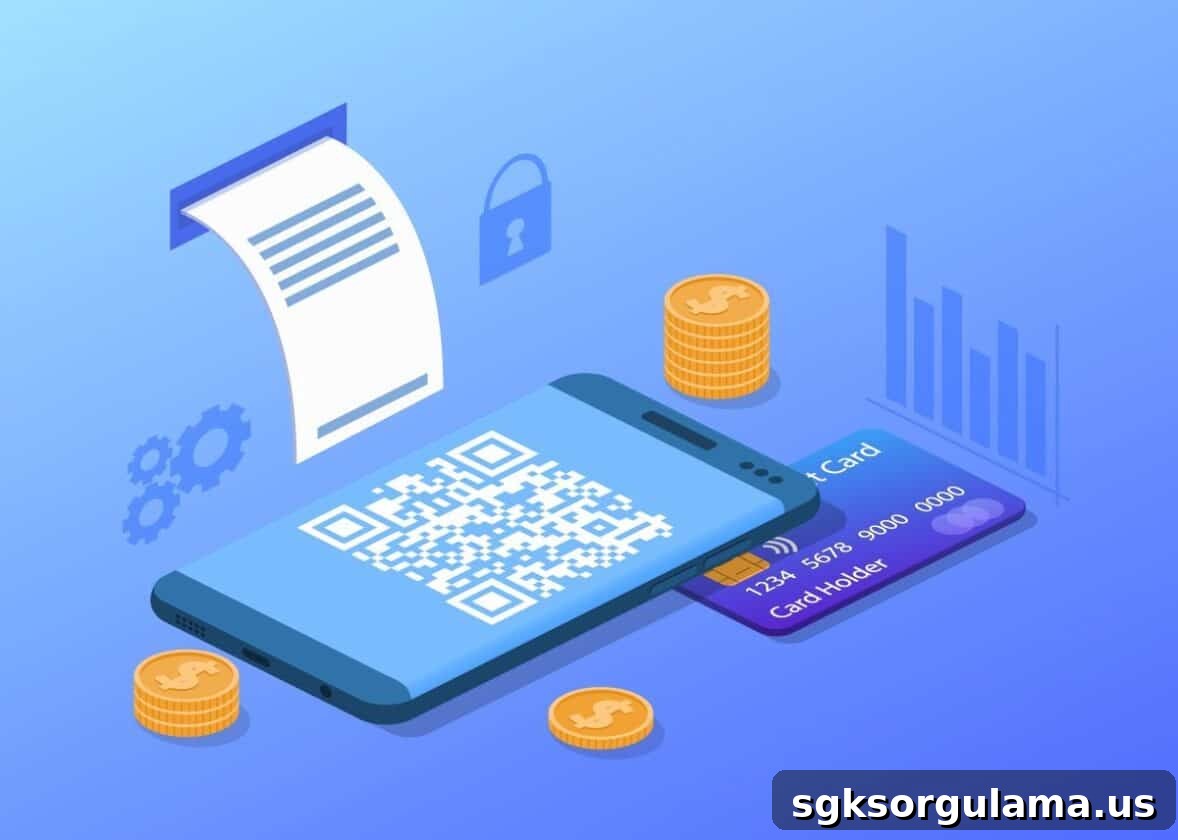
Before processing transactions through a virtual POS, the necessary e-commerce information is collected: invoicing details and other business information may be requested. During checkout, the customer enters their credit or debit card details; the payment is then routed through the bank that provides the virtual POS, and the specified amount is collected. Virtual POS systems are designed to be secure and present no inherent risk to users when implemented correctly.
How to Obtain a Virtual POS
For anyone running or planning to run an online store, using a virtual POS is highly important. A virtual POS enables you to reach more customers and increase sales, since most online transactions are card-based. To boost sales, you need to apply for a virtual POS—but certain criteria must be met before submitting an application.
First, the site must have an SSL certificate. This certificate protects customer data and ensures privacy, and it is a critical requirement for e-commerce sites. Search engines increasingly flag or deprioritize sites without SSL, and many browsers now warn users when a site lacks this protection. The absence of an SSL certificate can negatively affect sales. Additionally, clear sales and terms agreements must be prepared and made available to customers; users should read and accept these terms before making purchases.
Banks often evaluate the products sold when deciding whether to issue a virtual POS. Many banks require a minimum number of products listed and available for sale before approving a POS application. E-commerce sites that do not meet these listing requirements may be denied a virtual POS. Products offered must also be lawful and compliant with trade regulations. Once these conditions are satisfied, you can apply to banks for a virtual POS.
What Are Virtual POS Commission Rates?
Commission rates are an important consideration for those who want to connect a virtual POS. Fees vary by bank or intermediary payment provider and may include annual membership charges. Typical commission rates fall between approximately 3% and 11% per transaction, though specific rates depend on the provider and the merchant’s agreement. In addition to banks, there are digital payment platforms that specialize in providing virtual POS services. These intermediaries work with partner banks to enable virtual POS usage and act as service providers for merchants. Commission rates charged through intermediaries also vary by company. Commissions are usually collected automatically on each transaction, so merchants should factor these costs into their pricing and financial planning.
Choosing the right virtual POS provider requires balancing cost, security, and the features you need. Compare providers’ commission structures, contract terms, and the integration options they offer to ensure the best fit for your e-commerce business.