

Employers with 150 or more female employees are required to provide on-site childcare services. This obligation can be fulfilled either by establishing a workplace nursery (creche) themselves or by purchasing services from an existing childcare provider. While employers may set up their own creches, they may also share a creche with other nearby businesses. When purchasing or operating childcare services, employers must follow specific rules to benefit from related tax and social security exemptions.
Key Details About Childcare Support
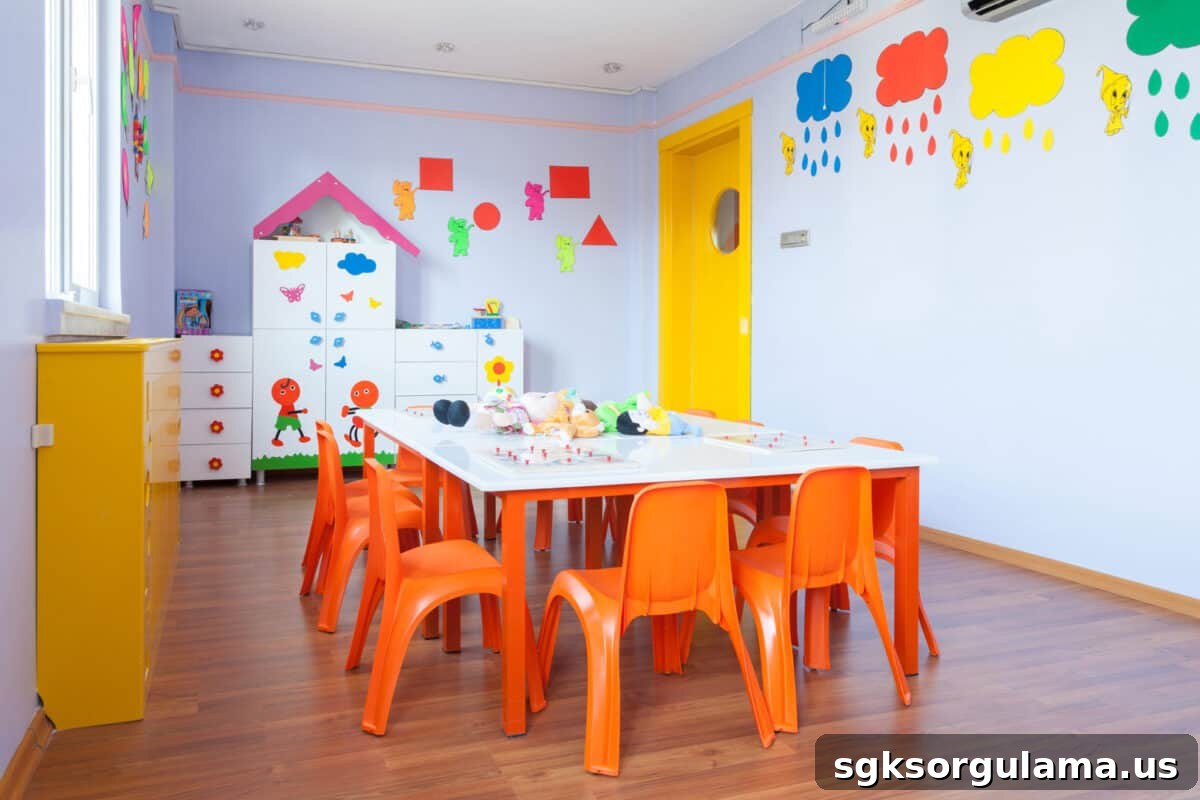
Under occupational health and safety regulations, businesses that employ 150 or more women must provide creche services. The headcount includes all female employees regardless of shift patterns, age differences, or whether they are mothers, so the total number reaching 150 triggers the requirement. Employers can meet this responsibility by opening an in-house creche, partnering with other employers to establish a joint facility, or buying services from licensed childcare centers.
Tax and Contribution Exemptions Apply
Payments related to employee compensation normally attract income tax and social security contributions. Childcare support offered to female employees is regarded as a fringe benefit, but to avoid burdening employers, businesses that provide or fund creche services may be eligible for tax and premium exemptions. Expenses incurred by employers who open an in-house creche—or who jointly open one with another employer—can be fully exempt from tax treatment in this context.
For employers purchasing services from existing creches, exemption amounts were originally set at 15% of the gross minimum wage until 2018. In 2018, that ceiling increased to 50% of the minimum wage. As a result, in 2020 an employer buying creche services could claim income tax and social security premium exemptions up to a defined amount (for that year, 1,471 TRY). This exemption is not a separate cash incentive but a relief that prevents employers from paying income tax and social security contributions on these childcare expenditures. Without the exemption, the cost of creche services paid by an employer would itself be subject to taxation and contribution obligations.
Payments Must Be Made Directly to the Creche
Under income tax regulations, when employers directly provide creche and day-care services at the workplace, the full value of the benefit provided to female employees is exempt from income tax. The exemption still applies if the service is delivered in premises owned or leased by the employer. However, when childcare is not provided directly at the workplace by the employer, obtaining the tax and contribution exemption requires that the employer purchase services from creches or day-care centers that are registered taxpayers for income or corporate tax, and that payments be made directly to those registered providers.
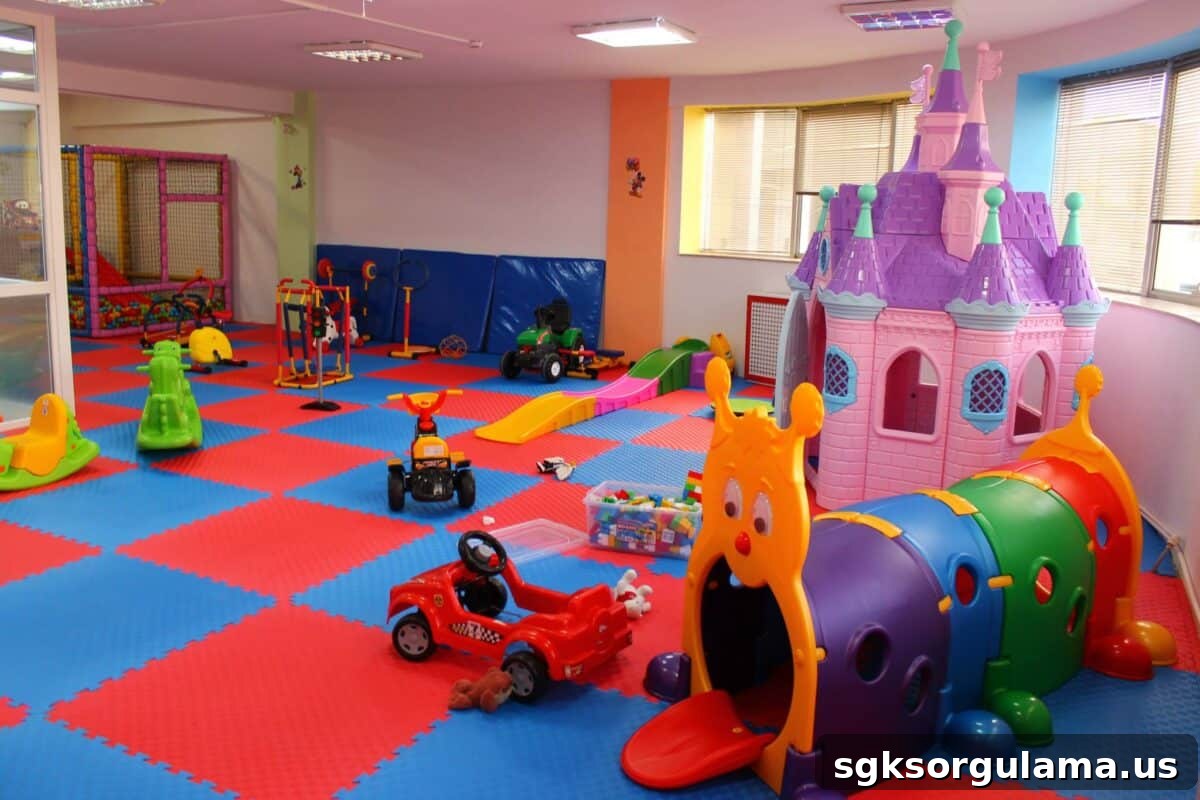
The Ministry of Treasury and Finance issued guidance in response to inquiries from employers and intermediary service companies that facilitate arrangements between employers and creches. The guidance clarified that, to qualify for the exemptions, payments must be made directly to the creche or day-care provider that is a registered income or corporate taxpayer. Payments routed through an intermediary firm prevent the employer from benefiting from the exemption. Employers who contract childcare through third parties should therefore ensure that payments are remitted directly to the certified creche or day-care operator if they wish to claim the applicable tax and social security relief.
Finally, the exemption amount is calculated per child. Employers can claim the exemption for each child of the same employee who uses the creche service, subject to the legal limits and documentation requirements set out by tax and social security regulations.