
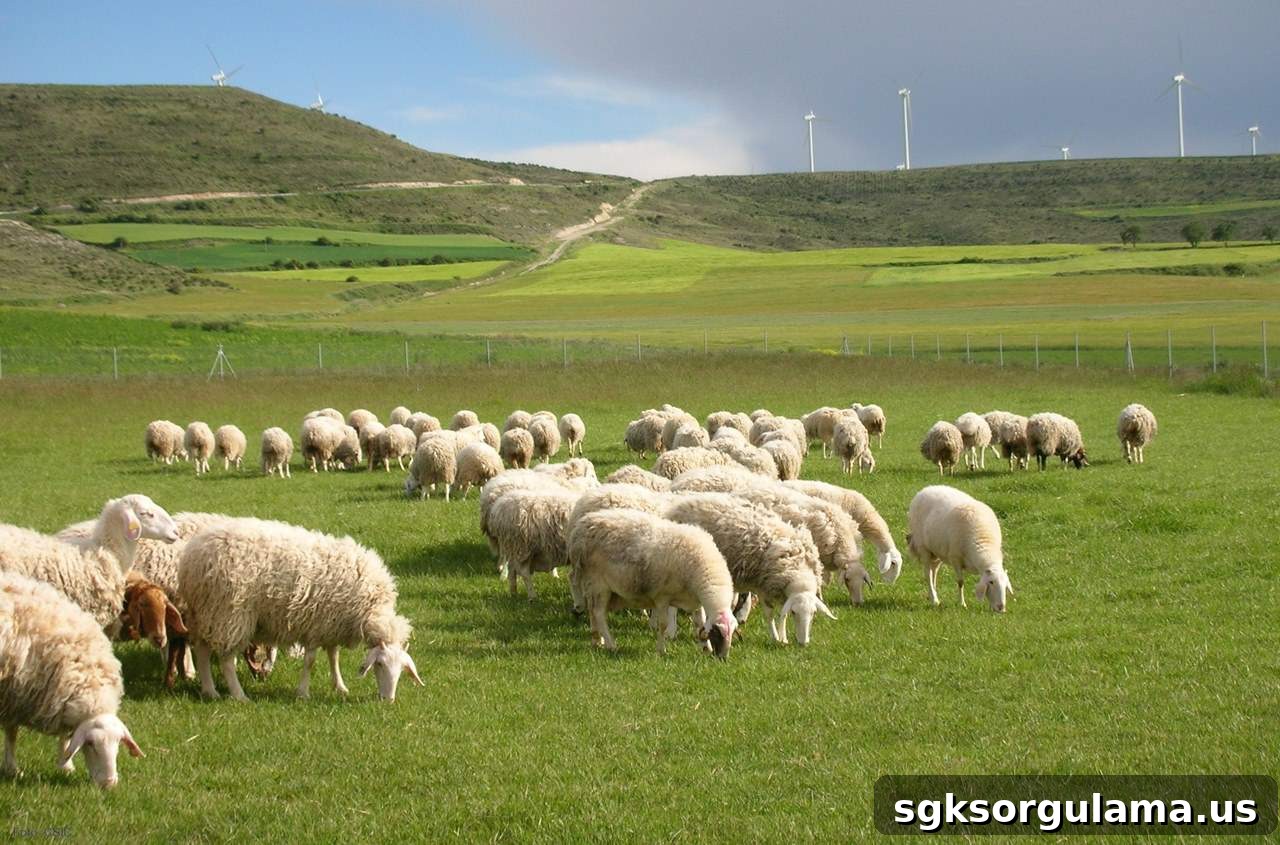
Sheep farming is often the first choice for those who want to raise small ruminants, and prospective newcomers frequently wonder how profitable it can be. Calculating sample annual costs helps those considering this line of work to plan and estimate returns.
How Is Sheep Farming Done?
Sheep farming has been a source of income for many people across generations. Understanding the challenges in advance is important for anyone planning to start. First and foremost, access to pasture is essential because sheep are primarily raised on grazing land, and the size of the pasture must be proportional to the flock size. Ideally, pastures for small ruminants are flat or gently sloping; neglecting this can lead to various problems. For anyone considering sheep farming, pasture should not be overlooked.
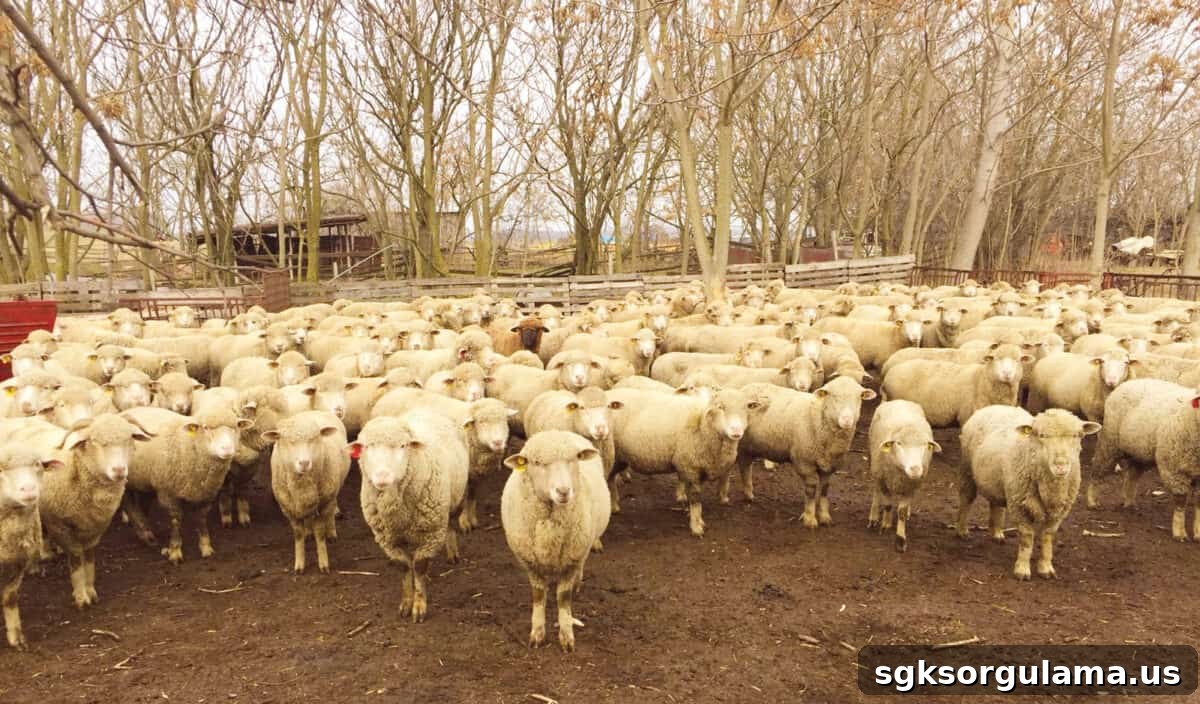
Feed management also requires careful planning. Allowing sheep to graze reduces feed costs, but supplemental feeding is often necessary to ensure healthy growth and productivity. Therefore, feed expenses should be planned in advance and feeds selected to match the animals’ needs. Balanced rations rich in vitamins, minerals and energy are critical for maintaining flock health and performance.
Key Points in Sheep Farming
Important considerations in sheep farming can be summarized as follows:
- Disease prevention and control: Animal illnesses can spread rapidly through a flock and cause significant losses, so biosecurity and veterinary care must be prioritized before and during operation.
- Labor requirements: Managing larger flocks generally cannot be done by one person. Labor costs and workforce planning must be included in financial calculations.
- Pasture size and quality: Pastures should be adequate in size relative to flock numbers. Small or overcrowded grazing areas can harm animal health and welfare.
- Production purpose: Decide in advance whether the flock will be managed primarily for milk, meat or breeding stock. This decision shapes management practices and expected returns.
- Breeding stock selection: Obtain suitable breeding animals adapted to the local climate and free from health risks. Choosing certified or well-documented breeds improves long-term productivity.
One of the most important goals in sheep farming is increasing the number of productive ewes per breeding female to ensure continuity and produce healthy generations. Minimizing losses is another central objective. Selling breeding lambs, meat production and dairy activities are the main targets of sheep enterprises. Dairy-focused operations are often region-specific, so herds intended for milk production should be well-suited to local conditions. Purchasing certified breeds and maintaining proper herd health records are recommended practices.
Sheep Farming Cost Calculations
Calculating sheep farming costs starts with preparing a project or business plan. Compared with large livestock, sheep require less space; a guideline often used is roughly 1.5 square meters per animal for infrastructure planning, though grazing area requirements will be much larger per head. Additional facilities to budget for include shepherd accommodation and feed storage areas.
As an example, a 100-head sheep operation might have approximate initial costs such as: construction of a sheep barn around 100,000 TL, purchase of 100 sheep at 1,000 TL each totaling 100,000 TL, initial feed costs around 50,000 TL and equipment and material expenses near 20,000 TL. Revenue estimates vary by purpose: a dairy sheep might generate roughly 1.7 TL per day in milk value, while meat revenue depends on carcass weight and market prices—for example, 50 kilograms of meat sold at 700 TL. Using these figures, operators can estimate income and calculate profitability, keeping in mind prices and costs fluctuate by region and over time.