
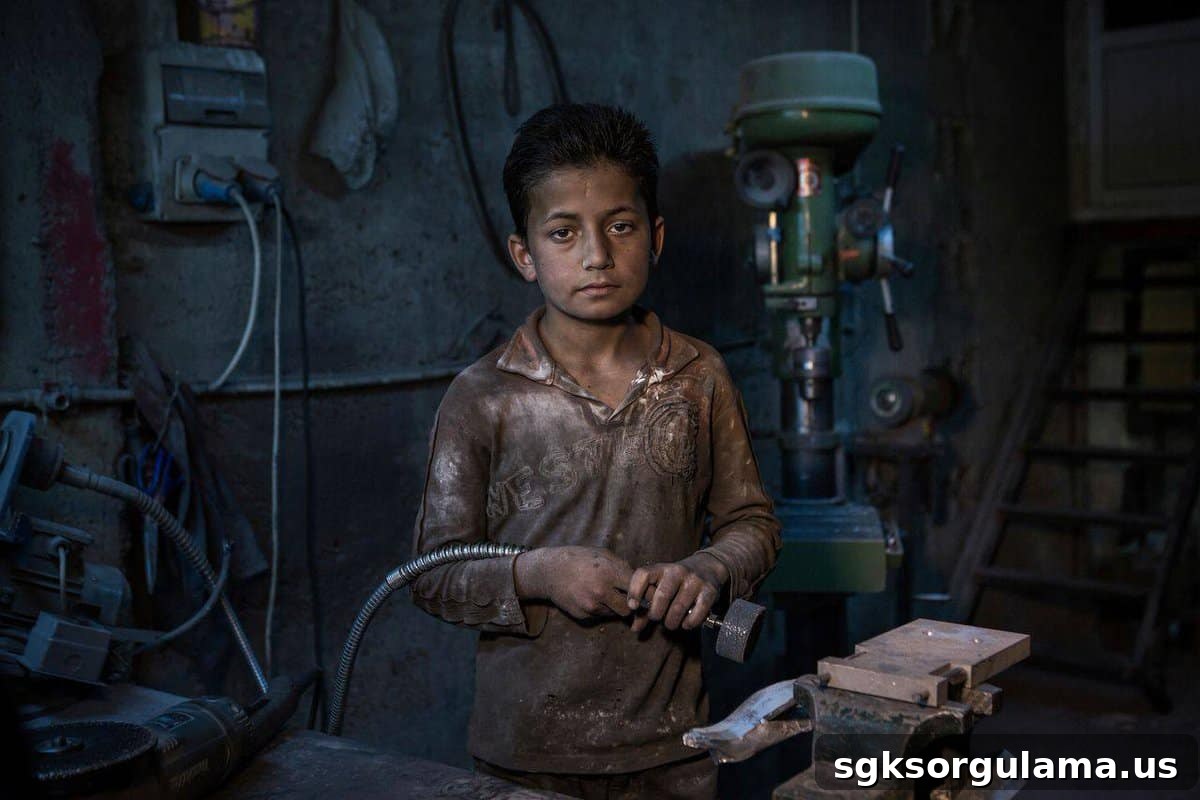
The Ministry of Family, Labor and Social Services is preparing changes to the conditions under which children may be employed. As a result, businesses that employ child workers will need to pay close attention to these updated rules. The reforms aim to reduce the number of child workers, particularly in the agricultural sector.
What Are the Conditions for Employing Child Workers?
Conditions for employing child workers are important obligations for employers. Employing people under 18 is especially common among small tradespeople and in agriculture, so failure to observe the rules may lead to legal and administrative problems. Children may be employed as child workers only if they have completed their 14th year and are not yet 15; in other words, children under 15 may not be employed. Those aged 15 and older may work in suitable jobs under the child worker status.
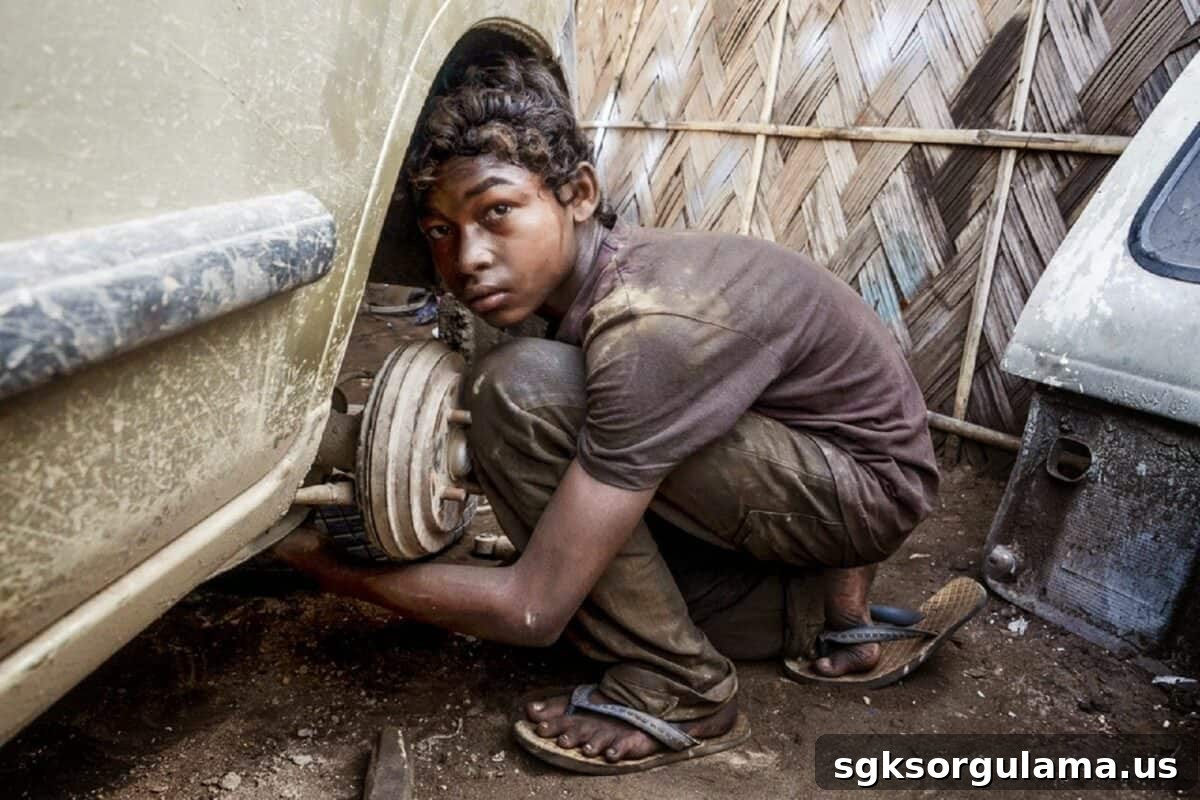
Employers who hire child workers have specific responsibilities. Workplaces that employ children must provide access to an occupational physician and a worker health dispensary; if these services are not available at the workplace, regular examinations must be carried out at family health centers. Child workers must undergo health checks monthly through these channels until they reach 18. Failure to comply may result in administrative fines for the employer.
What Are the Requirements for Employing Child Workers?
Requirements for employing child workers are defined by labor law, which also specifies the types of jobs in which children may participate. One of the key requirements is that the employer must not have convictions for dishonorable acts or offenses against children, even if pardoned. Child workers must be employed in a way that does not interfere with their schooling. Considering their physical condition, the permitted types of work include:
- Manufacture of bricks, tiles, pipes and similar items made by firing clay,
- Work related to making pots, earthenware, tiles and porcelain,
- Manufacture of glass, bottles and optical materials,
- Drying, gluing, chipboard production and wood manufacturing tasks,
- Production of vegetable and animal oils and products derived from them,
- Cleaning and sorting of bird and animal feathers and similar tasks,
- Manufacture of plastic materials,
- Work related to the sale of cosmetic products,
- Barber and similar services,
- Light automotive repair tasks that do not require strenuous effort,
- Garment and knitwear work,
- All types of yarn and weaving tasks,
- Paper and paper-based product manufacturing tasks,
- Production and sale of food products,
- Work in the manufacture of adhesives, gelatin and glue.
The Ministry Is Amending Child Worker Regulations
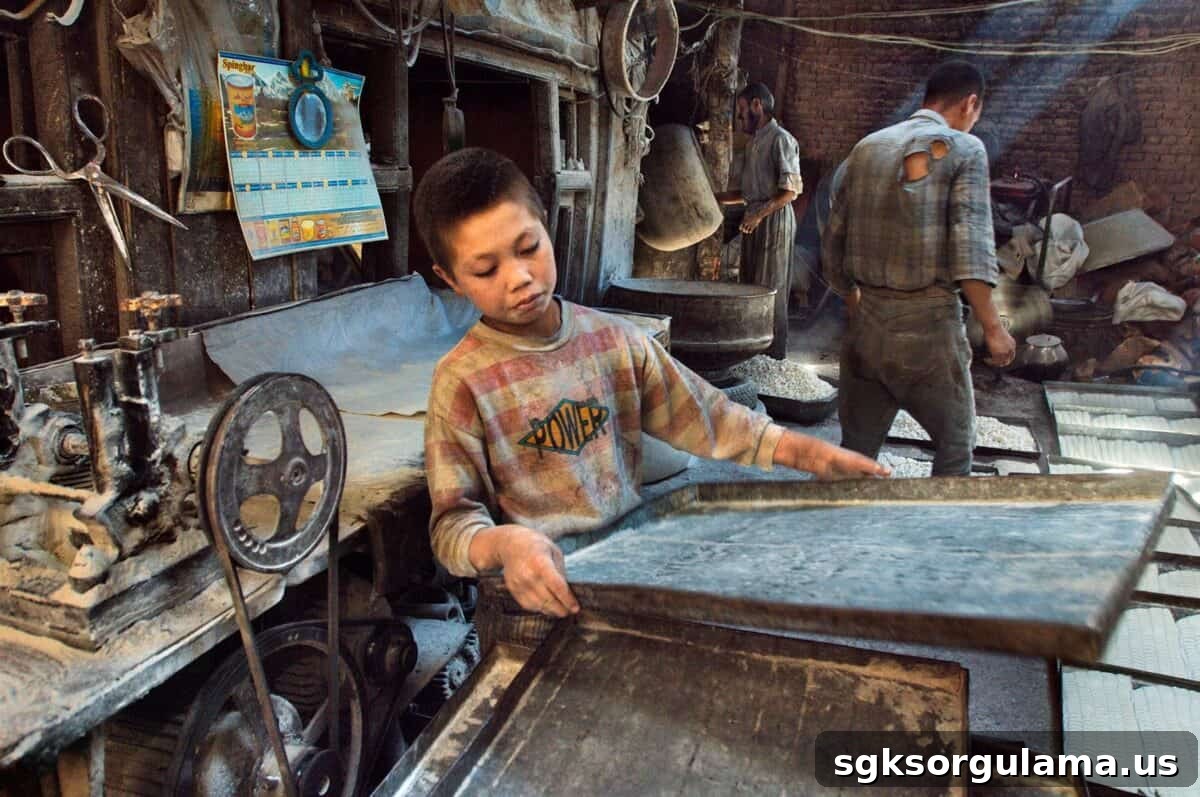
The Ministry of Family, Labor and Social Services will soon launch a project to reduce risks in the workplaces where child workers are employed. Under this initiative, children working as child laborers will receive education, counseling and rehabilitation services. The goal is to reduce the time children spend working and increase their focus on education. The project specifically aims to curb the employment of children in temporary agricultural work. In provinces included in the project, employers must allow child workers to participate in the provided training programs.
Children working in agriculture will receive instruction on relevant regulations, and the practice of employing child workers will be structured in accordance with social security rules. Employers who fail to meet the required conditions or who employ children illegally will face significant penalties and sanctions. If an employer hires child workers without meeting the legal conditions, the responsible parties may face imprisonment in addition to other penalties.