
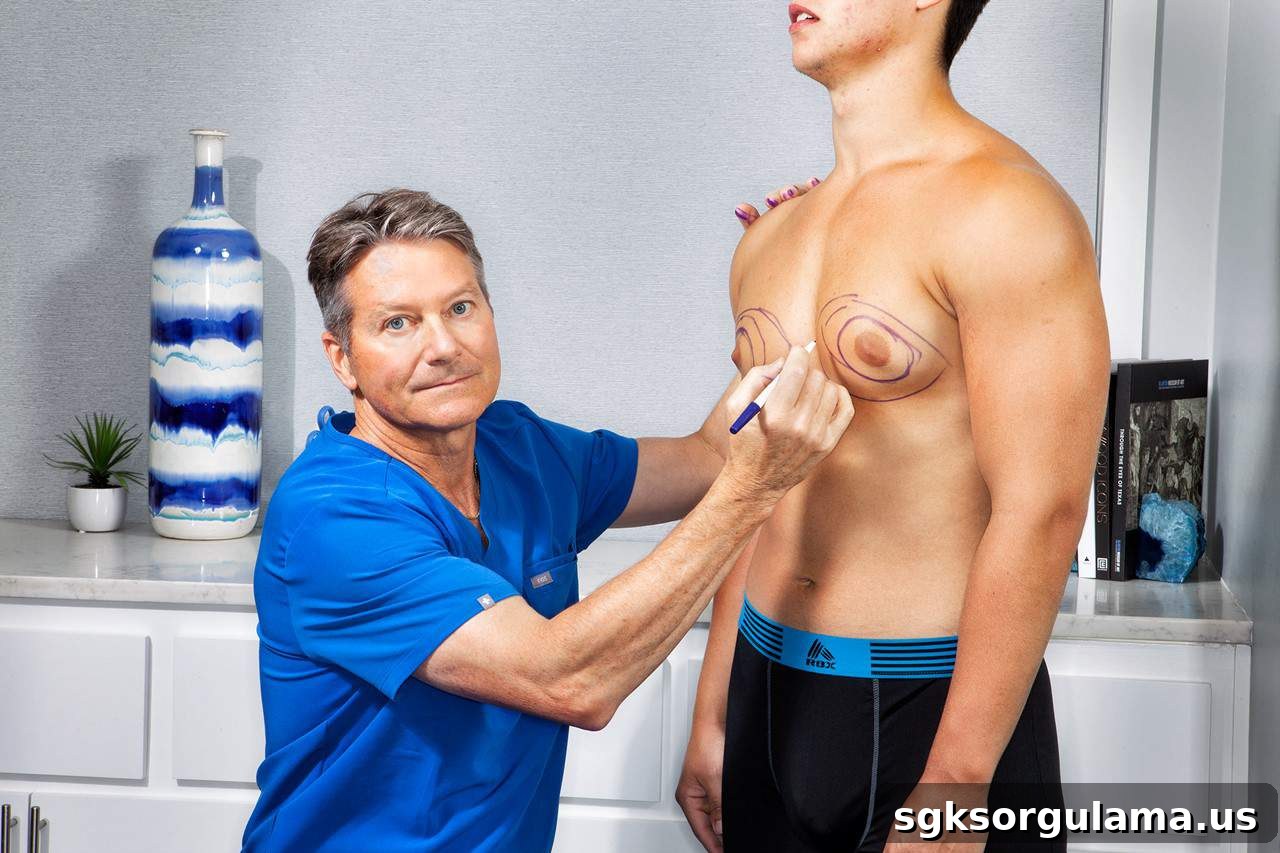
The approach to gynecomastia surgery by insurers is similar to how many plastic surgeons handle cosmetic procedures. Gynecomastia, commonly known as male breast enlargement, falls under aesthetic surgery. The procedures used in cosmetic surgery are applied here as well, and gynecomastia operations are generally classified as cosmetic procedures by social security systems.
What Is Gynecomastia?
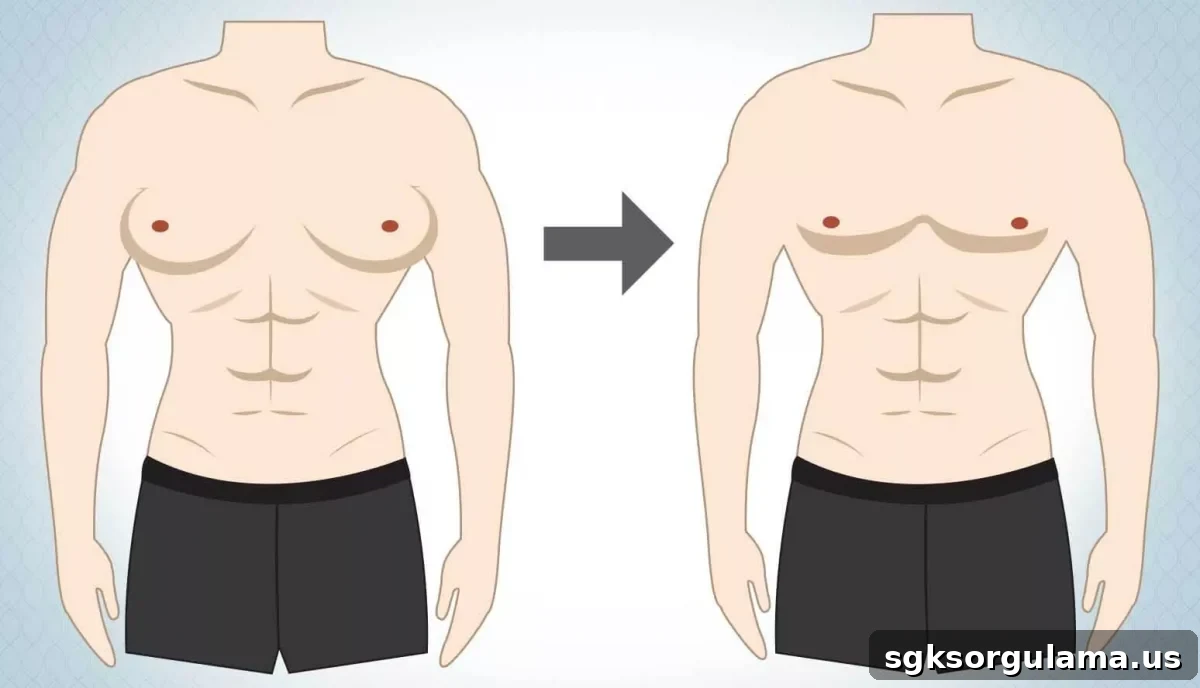
Gynecomastia describes a benign enlargement of breast tissue in males. Known colloquially as male breast enlargement, gynecomastia usually does not pose a serious health risk; it primarily causes cosmetic concern and discomfort for the person affected.
Gynecomastia most often arises from an imbalance between testosterone and estrogen. This hormonal imbalance can sometimes be a side effect of certain medications. Excess weight gained during adolescence can also contribute. Because it typically does not present a direct health threat and mainly affects appearance, gynecomastia is considered a cosmetic issue.
What Causes Male Breast Enlargement?
As noted above, male breast enlargement is usually caused by disruption of hormonal balance.
Common causes of hormonal imbalance include:
- Liver cirrhosis
- Aging
- Chronic kidney failure
- Excess weight during adolescence
- Heavy alcohol consumption
- Certain medications
- Testicular cancer
- Hyperthyroidism
How Is Gynecomastia Surgery Performed?
The gynecomastia procedure can be summarized as follows:
- The patient receives local or general anesthesia.
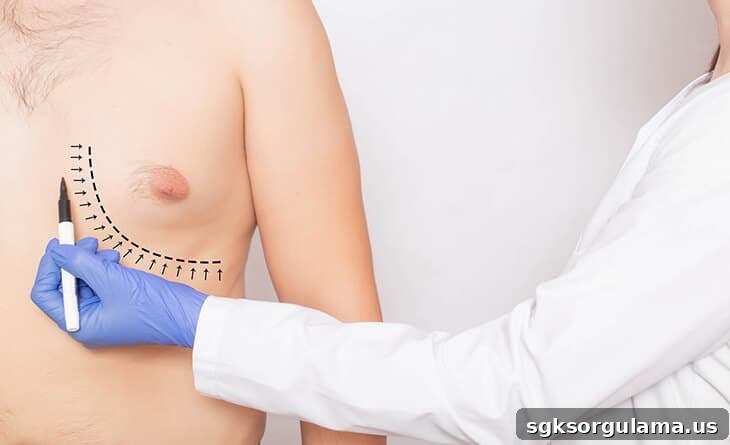
- Small incisions are made near the sides of the chest and under the armpits.
- Liposuction cannulas are inserted through the incisions toward the breast tissue.
- Excess fat is removed using suction techniques.
- After removing excess tissue, the contour of the breast is refined.
- The incisions are closed and the operation is completed.
Is Gynecomastia Surgery Paid?
Gynecomastia surgery is available in both public (state) and private hospitals for a fee. In state hospitals, the operation can be performed without charge only if the patient has an official committee report authorizing coverage.
Do Public Hospitals Perform Gynecomastia Surgery?
Gynecomastia surgery in public hospitals is typically offered for a fee. The operation can be covered without cost only when a formal committee report is provided. This procedure is considered part of plastic and aesthetic surgery. Diagnosis often requires an endocrinology consultation, so patients should seek hospitals that offer both plastic surgery and endocrinology services and follow the required referral procedures.
Which Department Should I Visit for Gynecomastia?
Appointments for gynecomastia should be made with the Department of Plastic, Reconstructive and Aesthetic Surgery. Patients concerned about breast enlargement should first consult this department. When considering surgery, it is important to research surgeons and hospitals with experience in this field and choose accordingly.
Gynecomastia Surgery Prices in Public Hospitals
Charges for gynecomastia surgery in public hospitals vary depending on the technique used and individual patient factors. Age, weight, breast size, type of anesthesia, surgeon preferences, hospital stay duration, and whether a post-operative compression garment is included all influence the final price.
In public hospitals, gynecomastia surgery fees may range approximately between 2,000 and 4,000 Turkish lira. If liposuction is required to remove excess fatty tissue, costs may be higher.
Gynecomastia Surgery Prices in Private Hospitals
Prices for gynecomastia surgery in private hospitals differ significantly from public sector rates. Private facilities set their own fees based on their procedures and the reputation of their specialists.
Private hospitals may use laser or VASER technologies for gynecomastia. Minimally invasive or incision-free methods can cost roughly between 6,000 and 10,000 Turkish lira. Prices may also vary with length of hospital stay, and patients should confirm whether a post-operative compression garment is included or charged separately.
Does Insurance Cover Gynecomastia Surgery?
Gynecomastia surgery is generally not covered by insurance. The operation is typically regarded as a cosmetic procedure rather than a medical necessity. Both in public and private hospitals, gynecomastia surgery is usually excluded from social security coverage.
From What Age Is Gynecomastia Surgery Performed?
The minimum age for gynecomastia surgery is generally tied to the completion of puberty. Surgery is usually considered from age 17 onward, after puberty is complete. Before this age, breast enlargement may be physiological and resolve on its own, so surgery is not typically recommended. If concerns arise before age 17, medical evaluation is advised and psychosocial support may be recommended to reduce potential emotional impact.
How Long Does Gynecomastia Surgery Take?
The operation typically lasts about 60 minutes. Depending on breast size and the chosen technique, the procedure may take slightly less or more than an hour.
Sedation or local anesthesia can often be used, allowing many patients to avoid overnight hospitalization. However, the anesthesia approach is determined by the surgeon and anesthesiologist, and some patients may require a short hospital stay.
Is Gynecomastia Surgery Risky?
Overall, gynecomastia surgery is considered a low-risk procedure. When performed under local anesthesia, temporary bruising and swelling are common but typically resolve quickly. Major complications are rare.
As with any surgery, infection, redness, or other complications can occur. These are often managed effectively with a short course of antibiotics. Surgeons commonly recommend wearing a compression garment after surgery to reduce bleeding and swelling.
Will Scars Remain After Gynecomastia Surgery?
After gynecomastia surgery, visible scarring is minimal. Small incisions around the areola or under the armpit typically heal to faint lines, and any early marks fade over time. Because the procedure uses small incisions or minimally invasive techniques, patients usually return to daily activities while wearing a compression garment for about 15–20 days.
When Can I Resume Exercise After Surgery?
Patients should not rush back into exercise immediately after surgery. Although daily activities may resume within a few days, strenuous exercise should be postponed. Surgeons generally recommend waiting at least four weeks before resuming moderate exercise and about eight weeks before returning to heavy weightlifting or intense fitness routines.
Can Breasts Grow Again After Gynecomastia Surgery?
The risk of recurrence is low. Proper surgery typically leaves only a small rim of tissue under the areola, and when recovery proceeds without issues, recurrence is uncommon.
A well-executed operation can provide long-term relief from gynecomastia symptoms. However, in theory, residual glandular tissue left behind or new hormonal or lifestyle changes could lead to regrowth. If breast enlargement reappears, consult your surgeon for evaluation.
If a repeat operation becomes necessary because breast tissue was not completely removed, the procedure is not typically covered by social security and would be carried out in a public or private hospital for a fee.