
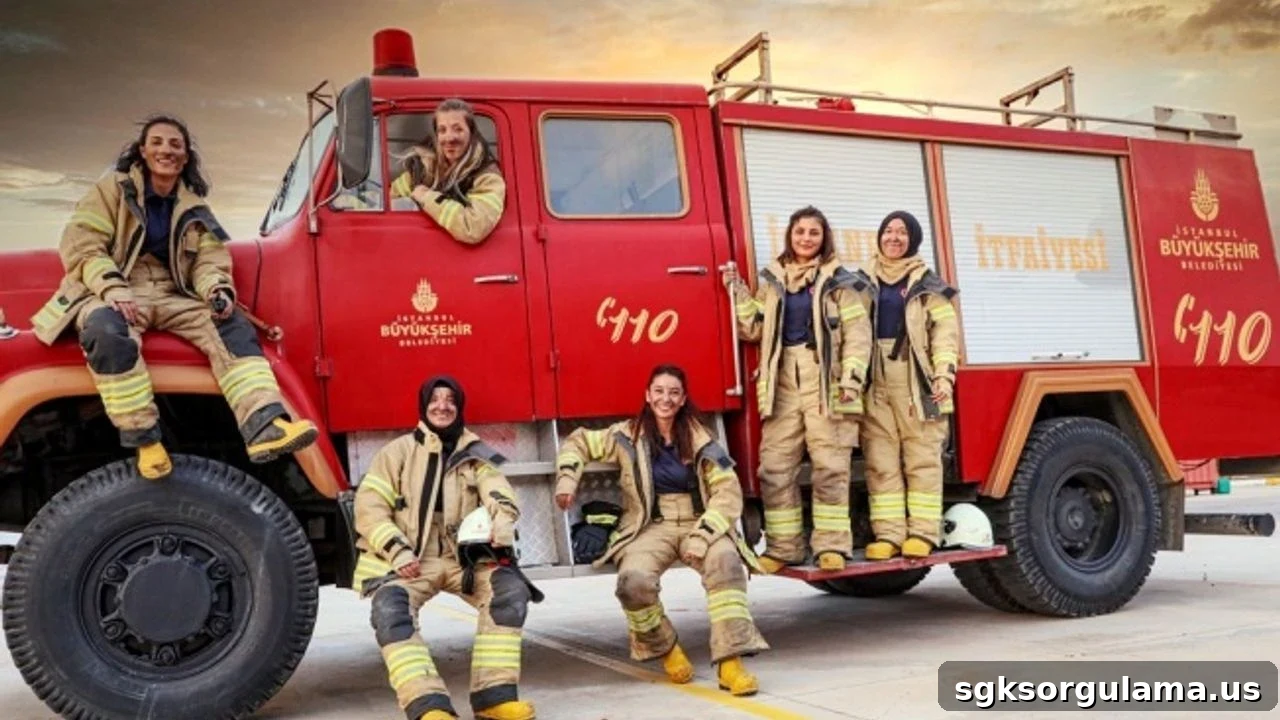
Firefighter salaries were adjusted as of July 2024, like other public servants. How much are firefighter salaries now? Here are the updated figures and related details.
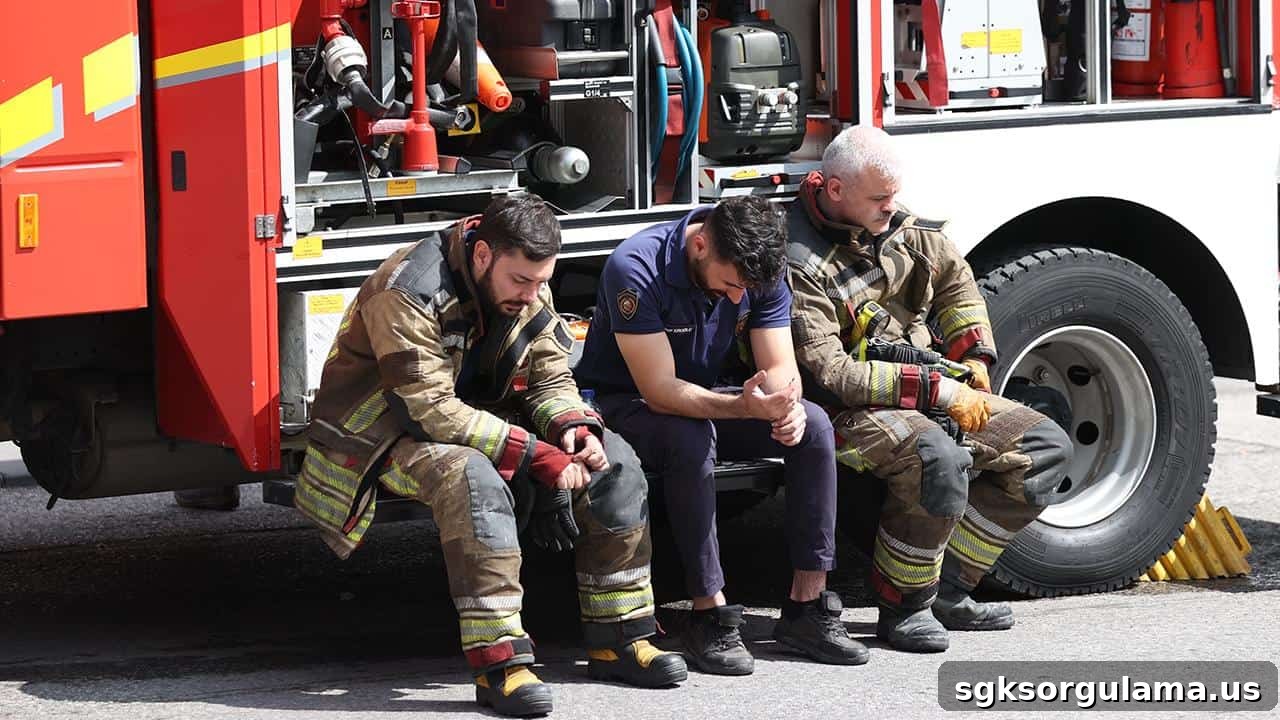
A firefighter is a public employee who responds to fires, disasters, accidents and similar incidents, protects lives and property, and engages in prevention and training activities. In this article we explain which education paths are relevant for becoming a firefighter, which exams are required, what the physical aptitude test includes, the conditions for becoming a firefighter, and current firefighter salaries.
WHICH FIELD SHOULD YOU STUDY TO BECOME A FIREFIGHTER?
You do not need a specific degree to become a firefighter. A high school diploma or its equivalent is generally sufficient. However, some municipalities or institutions may set special requirements for recruitment.
For example; some large municipalities may require at least an associate degree for firefighter hires. Therefore, candidates should follow announcements from the municipality or institution where they plan to apply and check the specific requirements.
WHICH KPSS SCORE IS USED FOR FIREFIGHTER RECRUITMENT?
Candidates wishing to become firefighters must take the Public Personnel Selection Examination (KPSS). The KPSS score type commonly used for firefighter recruitment is KPSSP94. KPSSP94 is calculated from the General Ability and General Knowledge tests.
- The General Ability test includes Turkish language and mathematics questions,
- The General Knowledge test includes history, geography, citizenship and current events questions.
The KPSSP94 score is calculated by taking 50% of the General Ability score and 50% of the General Knowledge score.
WHAT DOES THE PHYSICAL APTITUDE TEST FOR FIREFIGHTERS INCLUDE?
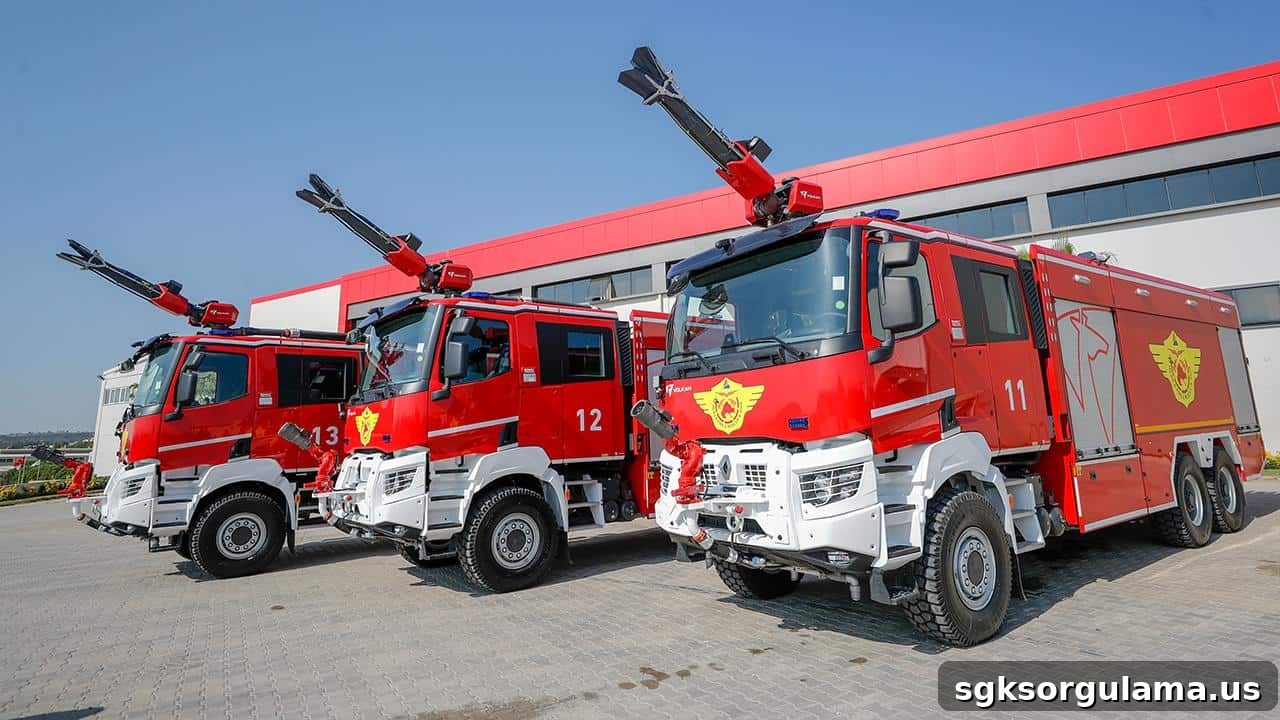
Candidates who achieve a sufficient KPSS score are invited to the physical aptitude test. This test evaluates physical strength, endurance, agility, balance, coordination and reaction skills to determine suitability for the role.
The physical aptitude test typically includes the following stations:
- 100-meter sprint: Candidates run 100 meters as quickly as possible. Times are recorded with an electronic stopwatch. Required maximum times are generally 15 seconds for men and 18 seconds for women.
- Crunches (sit-ups): Starting from a supine position with knees bent at 90 degrees and feet on the ground, candidates perform sit-ups without removing hands from behind the head. Typical minimum counts are 35 in one minute for men and 25 in one minute for women.
- Push-ups: From a prone position with hands shoulder-width apart and body straight, candidates perform push-ups. Typical minimum counts are 25 in one minute for men and 15 in one minute for women.
- Pull-ups: Candidates hang from a bar with hands shoulder-width apart and palms facing them, then pull up until the chin clears the bar. Typical minimum counts are 5 in one minute for men and 3 in one minute for women.
- Fire escape climb: Candidates climb a fire escape using hands and feet. Typical required heights are 20 meters for men and 15 meters for women.
- Hose carry: Candidates carry a 20-meter, 20-kilogram fire hose on the shoulder and complete a 100-meter course as quickly as possible.
- Fire extinguisher carry: Candidates carry a 6-kilogram fire extinguisher and complete a 100-meter course as quickly as possible.
Note: Candidates who fail to meet the specified time or repetition requirements for any station are typically disqualified. Successful completion of all stations is required.
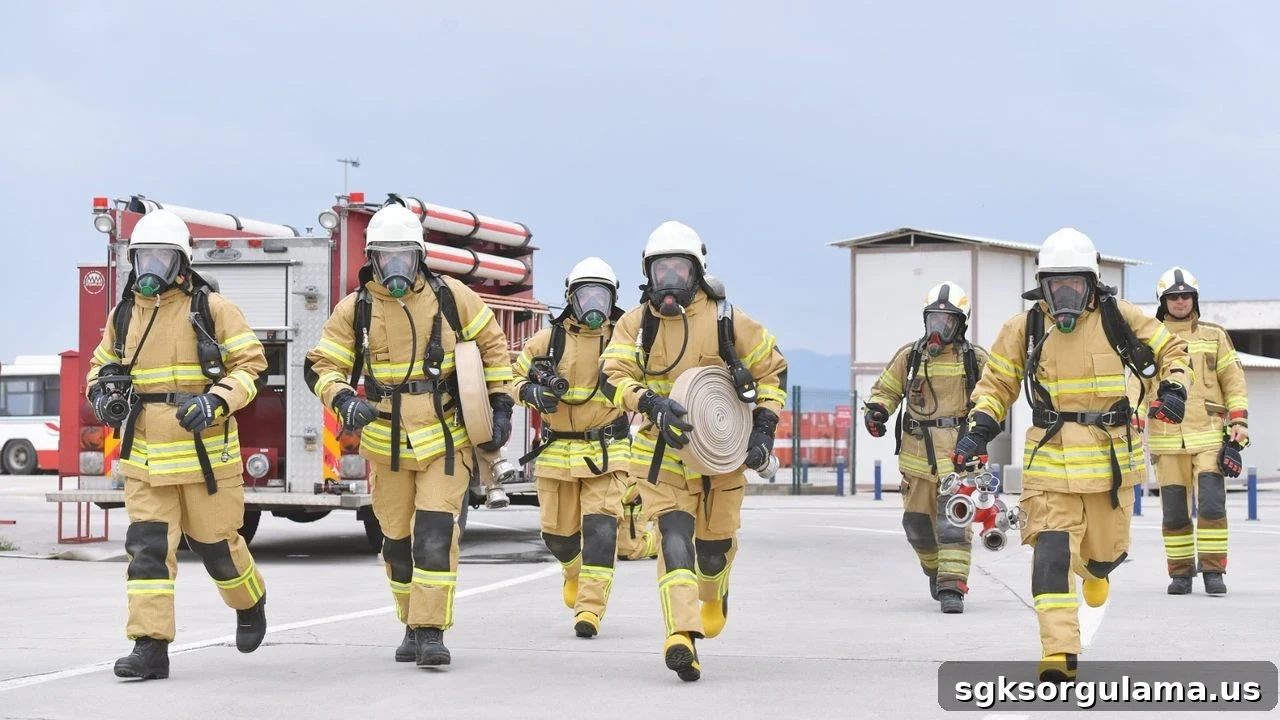
WHAT ARE A FIREFIGHTER’S DUTIES?
A firefighter’s primary duties are to respond to fires, disasters, accidents and similar incidents; protect lives and property; and participate in preventive and educational activities.
Typical duties include:
- Responding quickly to incidents, assessing the situation, determining the appropriate response method and implementing it.
- Working with team members on firefighting, rescue, first aid, hazardous materials response, traffic accident response, flood response and animal rescues.
- Preventing loss of life and property during incidents, minimizing damage, ensuring safety at the scene, and participating in post-incident cleanup and repair.
- Using and maintaining vehicles, tools, equipment and materials correctly and efficiently, carrying out necessary maintenance and reporting shortages or faults.
- Cooperating with individuals and organizations at incident scenes, collecting necessary information and documents, preparing reports and archiving them.
- Implementing preventive measures, conducting risk analyses, performing inspections and controls, and issuing warnings and recommendations.
- Participating in training, drills, seminars and conferences to share knowledge and experience and to develop professionally.
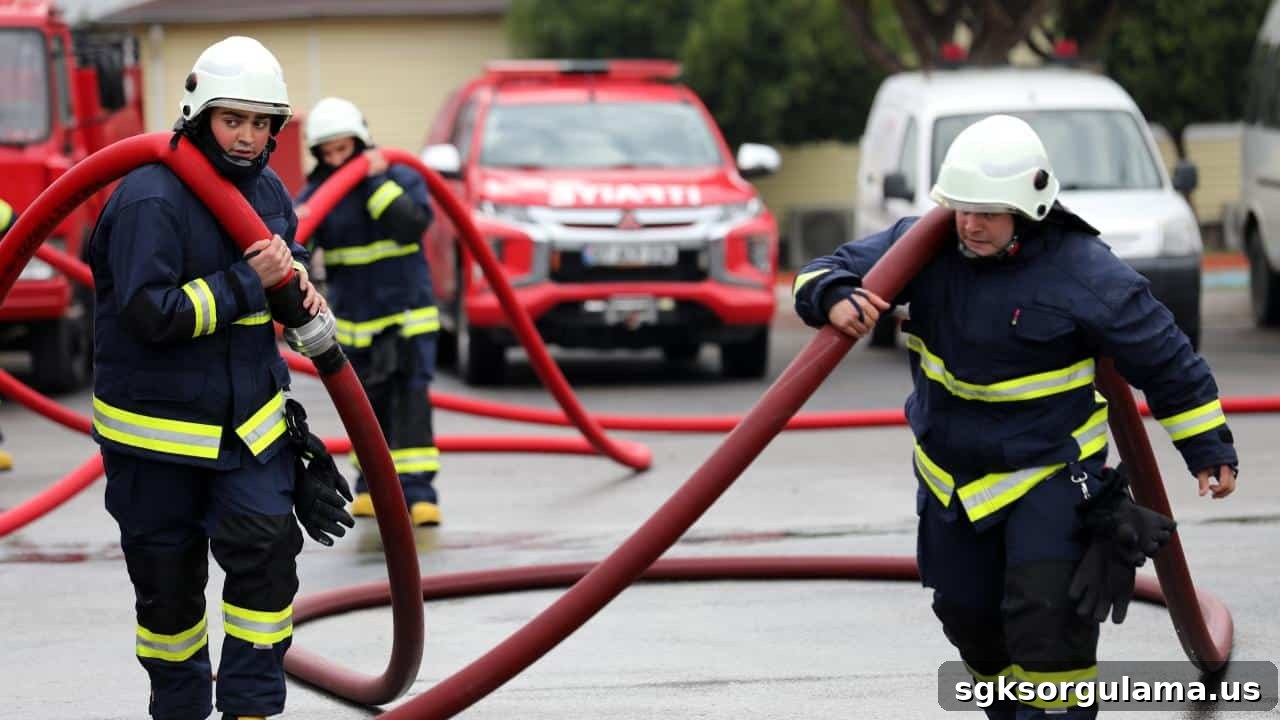
WHAT ARE FIREFIGHTING RANKS?
Firefighting ranks define the duties, authorities and responsibilities of personnel within the fire service.
Common ranks include firefighter, sergeant, chief sergeant, senior chief sergeant, specialist, senior specialist, chief, head chief, director, senior director and department head.
Ranks are determined based on factors such as:
- Training and education,
- Length of service,
- Performance,
- Examinations,
- Interviews.
HOW MUCH ARE FIREFIGHTER SALARIES IN 2024?
Firefighter salaries vary by rank, seniority, education, duty location and additional payments. Average 2024 monthly salary ranges are shown below:
- Firefighter: 39,500 TL – 40,500 TL
- Sergeant: 43,000 TL – 46,000 TL
- Chief Sergeant: 43,500 TL – 47,000 TL
- Senior Chief Sergeant: 41,000 TL – 48,500 TL
- Chief: 48,000 TL – 50,500 TL
- Director: 51,000 TL – 52,500 TL
Note: These figures are approximate averages. Exact salaries depend on the employing institution and specific allowances; candidates should consult official announcements for precise information.
We have summarized how to become a firefighter and provided 2024 salary estimates. If you have further questions, you can leave them in the comments section.