
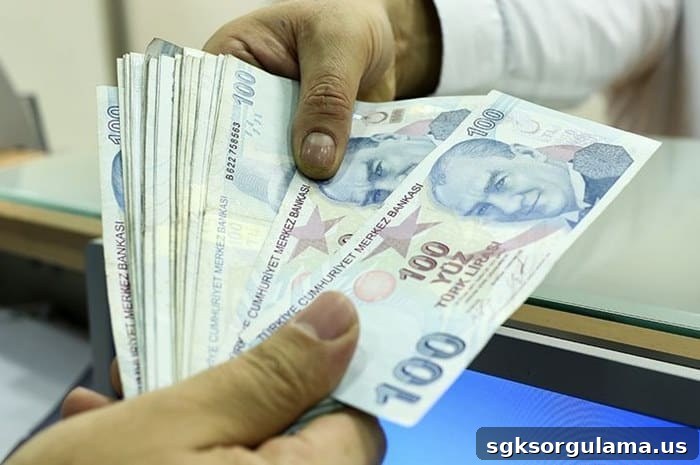
Dowry payment and orphan’s pension are topics that raise many questions among beneficiaries, especially about how social payments are handled. The system’s complexity leads to uncertainty. A frequent question is whether a woman who received the dowry payment and later divorces can regain the orphan’s pension.
When Is the Dowry Payment Given?
The payment commonly called “dowry” is officially designated as a marriage allowance under the social security system. This one-time support applies to daughters who are receiving a survivor’s pension (income or monthly benefit) through their mother or father and who marry.
To qualify for the dowry payment, two main conditions must be met. First, the daughter must be receiving a death or survivor’s pension from her deceased parent. In other words, when a working mother or father dies, the daughter must have been granted an orphan’s pension. When a beneficiary of the orphan’s pension marries, she becomes eligible for the dowry payment. Under the current rules, the system effectively pays two years’ worth of the orphan’s pension up front. When a woman marries, her ongoing orphan’s pension is stopped, and instead she receives the equivalent of two years’ pension as a lump-sum dowry payment. In essence, the dowry payment represents an advance payment of two years of orphan’s pension.
How Much Is the Dowry Payment?
The amount of the dowry payment is based on the monthly death or orphan’s pension the person was receiving. The lump sum equals 24 months of the pension amount. If the beneficiary had been receiving 500 lira per month as an orphan’s pension from a parent, she would receive 500 x 24 = 12,000 lira as the dowry payment when she marries.
If a woman who received the dowry later divorces, she cannot immediately resume the orphan’s pension. She must wait until the full two-year period that the dowry represents has elapsed. For example, a woman who took the dowry at marriage and divorced after one year must wait an additional year before she can apply to have the orphan’s pension reinstated. After that two-year period is complete, it is possible for the orphan’s pension to be reactivated. Because the dowry is effectively payment for two years of pension, the institution does not restore the pension to those who divorce before those two years have passed. Therefore, the person must either divorce after the two-year period or wait until two years have passed since receiving the dowry before the orphan’s pension can be resumed.
Who Is Eligible?
The social security administration (SGK) expanded eligibility for the dowry payment across a broad range of statuses. Before October 1, 2008, survivors receiving orphan’s pensions under the SSK regime were entitled to the dowry under Law No. 506. That law included provisions stating that daughters receiving a monthly pension or income due to the death of a contributor would receive a one-time marriage allowance equal to two years’ worth of their pension or income; if they divorced or became widowed within those two years, the pension or income would not be paid again for that period. Previously, Bağ-Kur (self-employment scheme) beneficiaries were not covered by a similar regulation.
However, the 2008 social security reform extended the same rules to Bağ-Kur beneficiaries, so those covered by Bağ-Kur after 2008 also became eligible for the dowry payment. Applications for the dowry payment must be made at the SGK directorate in the province where the applicant resides.