
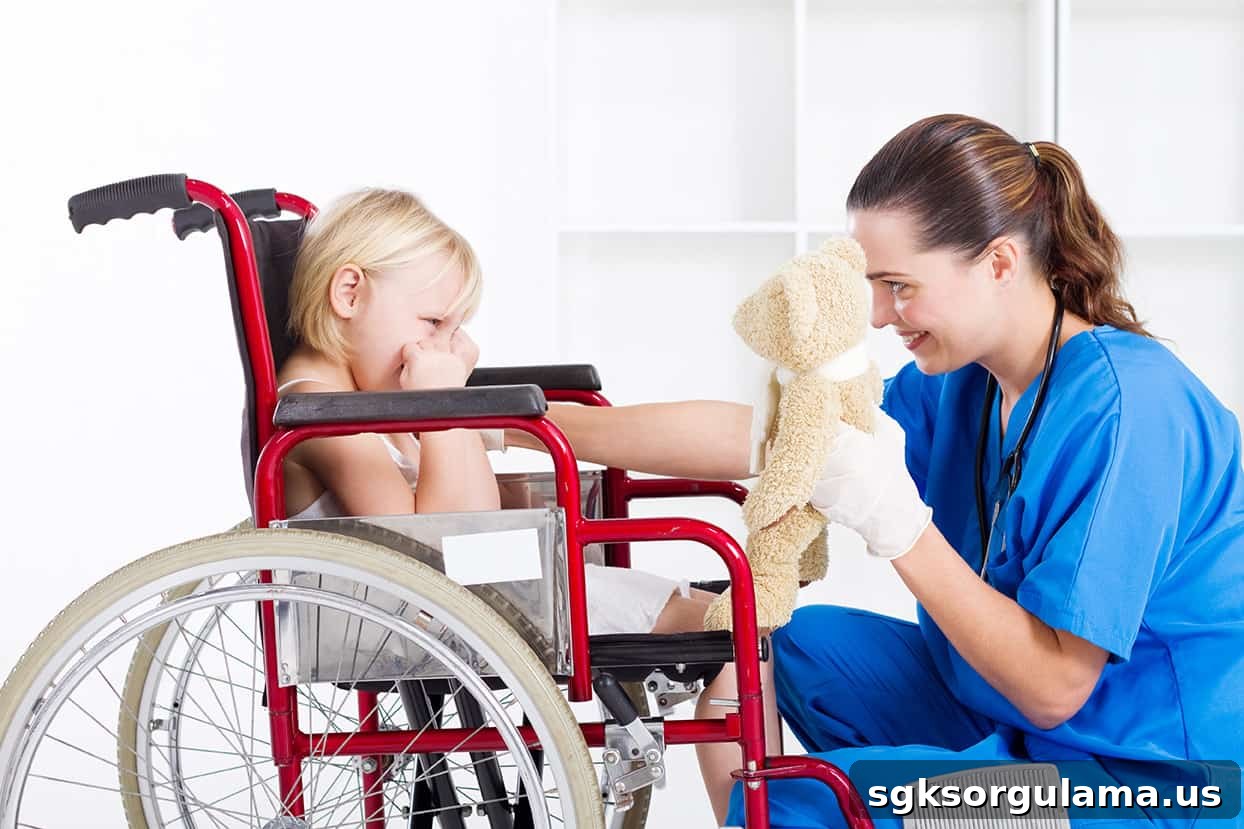
Many people with disabilities live in our country, and various measures and rights are provided to improve their living standards and support their integration into society. These rights make daily life easier. Individuals who cannot live without assistance require special attention. In this article, we will discuss disabled care and rehabilitation.
People with disabilities may require different types of care depending on their condition. Generally, they are often perceived as confined to the home and in need of treatment or care. Therefore, caregivers must possess certain qualifications. Caregivers who specialize in disability care receive professional training and develop the skills needed. These key skills include:
- The caregiver should understand the needs and characteristics of people with disabilities.
- The caregiver should be familiar with the specific type of disability they are treating.
- The caregiver must be able to perform the daily personal care of the disabled person.
- They should be able to provide basic physiotherapy or support prescribed physical exercises.
- The caregiver must be capable of organizing and tidying the disabled person’s living space.
- The caregiver should be able to guide and assist with both in-bed and out-of-bed exercises.
- If the disabled person uses medication, the caregiver must be able to manage and monitor medication schedules.
- The caregiver should have first aid training.
Main Goals of Disability Care and Rehabilitation
Recent advances in medicine have contributed to improved disability care. In developed countries, many initiatives aim to raise the quality of life and well-being of people with disabilities. These efforts focus on improving basic services, healthcare, and living environments so that disabled individuals can live without being excluded from social life.
Research shows that people with disabilities who receive adequate support in their living environment feel safer and display more positive behaviors. For this reason, disability care and rehabilitation should be taken seriously and planned carefully.
Factors That Negatively Affect Disability Care and Rehabilitation
Certain conditions can adversely affect the quality of care and rehabilitation. When care is negatively impacted, a disabled person’s outlook on life may change, which can be harmful. Our primary objective should be to reintegrate and empower people with disabilities in society. Factors that can undermine care and rehabilitation include:
- Failing to involve the disabled person in decisions about their care.
- Inadequate environmental conditions where care or rehabilitation is provided, such as unsuitable temperature, excessive noise, poor lighting, or insufficient ventilation.
- Lack of coordination or conflict among the caregiving team.
Important Considerations in Disability Care and Rehabilitation
Because the issues listed above can negatively affect people with disabilities, caregivers must pay attention to them. The following guidance outlines best practices for providing respectful, effective care.
Caregivers should treat people with disabilities with a friendly, patient, and respectful attitude. Interactions should be sincere and empathetic. When medical information or explanations are necessary, they should be communicated in clear, understandable language. Respect for the person’s privacy and dignity is essential.
During care or rehabilitation, a disabled person may prefer the presence of someone they know and trust; this should be accommodated when possible. The care process should be collaborative — the disabled person should be included in decisions and activities related to their care.
If a family member or companion is present, caregivers should also be courteous and patient with them. Avoid speaking to family members in a commanding manner. Pay attention to body language and address companions respectfully by their names when appropriate.