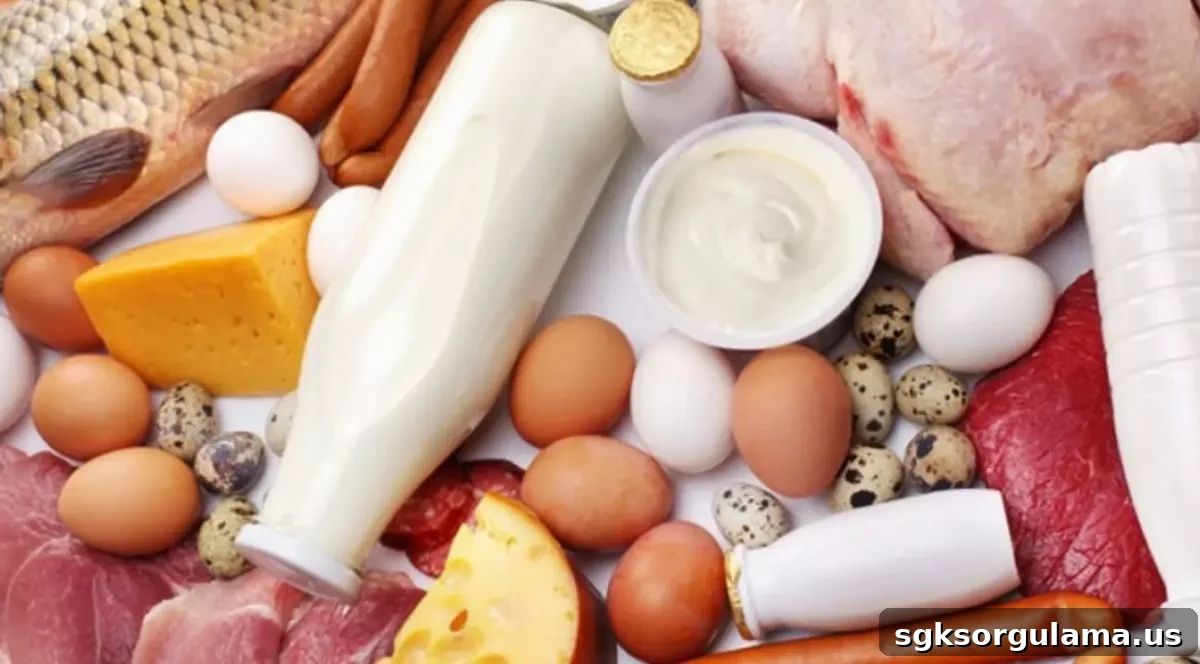
The Food and Agriculture Organization of the United Nations (FAO) has released its global food price index. In October, the overall food price index fell by 0.5% compared with September. The only sub-index that rose in October was dairy products.
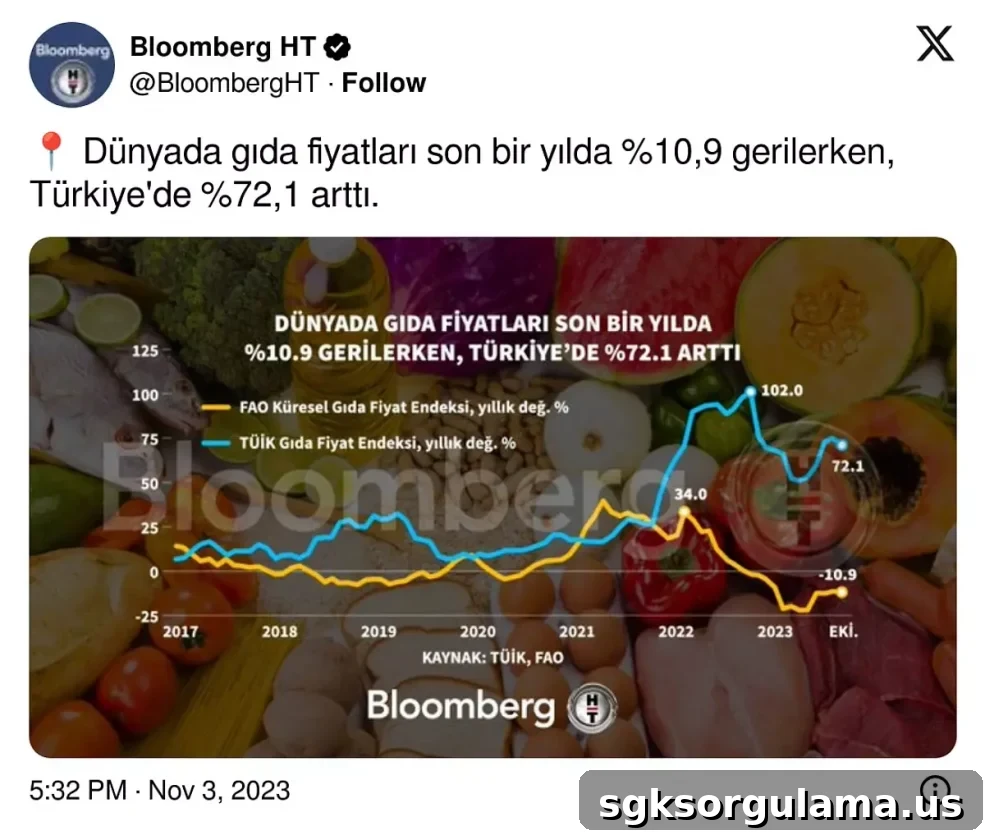
By contrast, data published in Turkey show continuing increases in food prices. The FAO Food Price Index tracks changes in international prices for globally traded food commodities. In October the index averaged 120.6 points, a decline of 10.9% compared with the same month last year. Despite the global downward trend, Turkey is experiencing rising food prices rather than declines.

According to TÜİK’s consumer price index (CPI) data for October, the food index increased by 3.20% month-on-month and 72% year-on-year. Food carries the largest weight in the consumer basket at 25.43%. Since the start of the year food prices in Turkey have risen 59.68%, and the increase over the last three years stands at 336.17%.
The FAO Cereal Price Index fell by 1.0% from the previous month. International rice prices eased by around 2% amid subdued global import demand. Wheat prices declined by 1.9%, pressured by supplies from the United States and heightened competition among exporters.
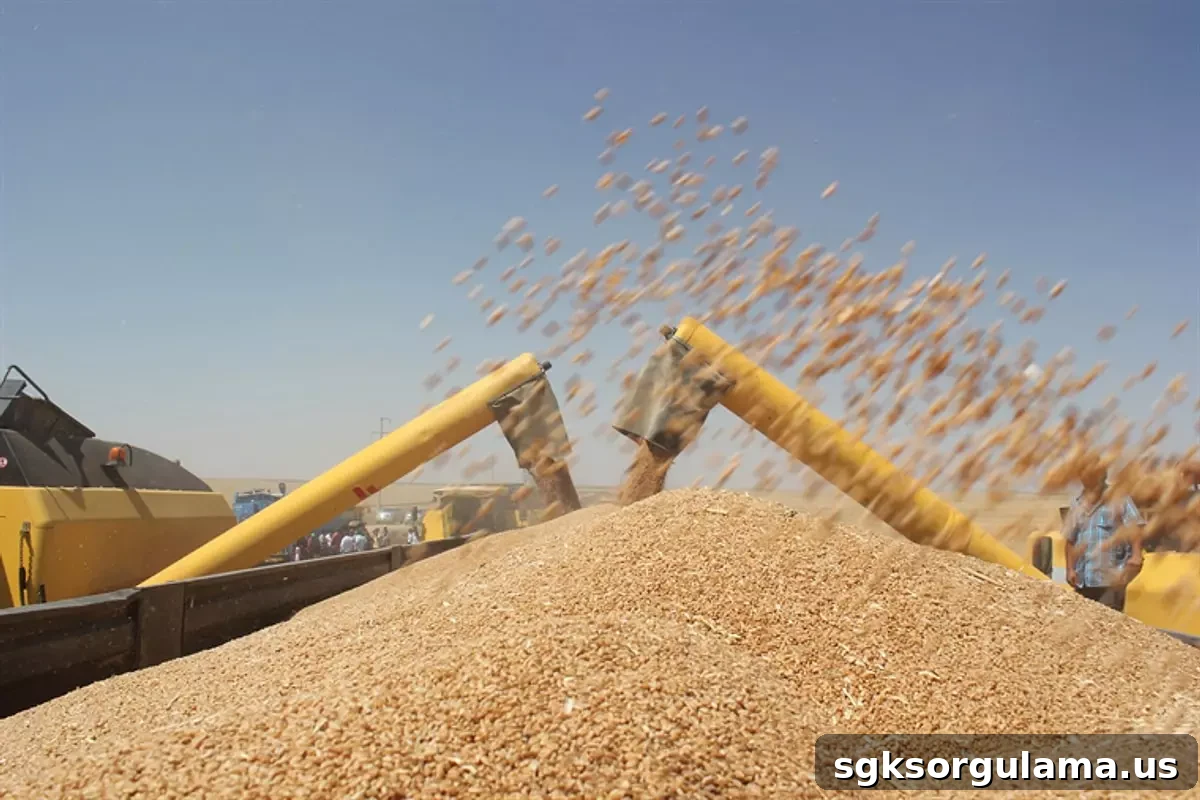
By contrast, coarse grain offers, led by maize, showed slight increases driven in part by reduced supplies from Argentina.
According to the FAO report, the Vegetable Oil Price Index fell by 0.7% compared with September. Seasonal weakness in global palm oil prices helped offset high prices for soybean, sunflower, and rapeseed oils. The rise in soybean oil prices was largely driven by increased demand from the biodiesel sector.

The FAO Sugar Price Index fell by 2.2% month-on-month, though it remains 46.6% higher than a year earlier. Increased production in Brazil was a key factor in the monthly decline, while concerns about global supply next year limited the size of the drop.

The FAO Meat Price Index eased by 0.6%. Weak import demand from East Asia helped offset slight price increases for poultry, bovine, and ovine meats. International pork prices declined.
Meanwhile, the FAO Dairy Price Index rose by 2.2% in October, ending a nine-month decline. World milk powder prices increased notably, driven by stronger near- and medium-term buying interest and uncertainty over El Niño’s potential impact on milk production in Oceania.