How to Adopt a Child in Turkey: Requirements and Step-by-Step Guide

If you meet the adoption requirements, you can welcome a new member into your family. Adoption is an important opportunity, especially for couples who cannot have children biologically. It allows families to fulfill their longing for a child. A child who joins your life through adoption has the same legal status as a biological child.
Adopting means beginning an entirely new life. For this reason, the decision should be made after careful thought. Both spouses must consent and discuss every detail thoroughly during the decision-making process. If you meet the adoption requirements and are psychologically prepared for the process, you can continue your life as a happy family.
Adoption Requirements
Adoption requirements are comprehensive. The ministry reviews whether these conditions are met. If one or more conditions are missing, the adoption request will be rejected. Even if requirements are satisfied, many applicants may be waiting, so adoption might occur long after your application date. Be prepared for a waiting period before starting this process.
Requirements for Prospective Adoptive Families
The requirements for prospective adoptive families include the following:
- Couples wishing to adopt must be at least 30 years old and have been married for at least five years
- The adopter or couple must be at least 18 years older than the child they wish to adopt
- A minimum of one year of established caregiving and educational relationship with the adopted child
- Prospective adopters must have at least a primary school education
Individuals and families who meet these requirements can submit adoption applications.
Requirements Concerning the Adopted Child
Among the conditions regarding the adopted child, the child’s consent is primary when the child has the mental capacity to make such a decision. The state always prioritizes the child’s best interests to ensure their welfare and protection in the new environment.
Requirements Concerning the Child’s Biological Family
Conditions concerning the child’s biological family are also mandatory. If the child’s mother or father is alive, adoption cannot proceed without their consent. Additionally, if the child is under guardianship, approval must be obtained from the guardian.
Is It Possible to Adopt a Child from Their Family?
It is possible to adopt a child from their family, and adoption from a guardian is also permitted. For this, you should apply to family courts. In areas without family courts, adoption procedures can be carried out through civil courts of general jurisdiction.
Legal Consequences of Adoption
As a legal consequence of adoption, the child becomes legally equivalent to a biological child. The adopted child has the same rights that a biological child would have, including inheritance rights. Responsibility for the child rests with the adoptive parents, who must fulfill obligations such as protection, supervision, and care.
What Does Adoption Mean?
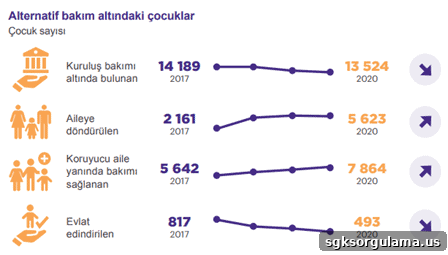
Adoption is a process conducted through the Ministry of Family and Social Services. Children abandoned by their families or who have lost their families live in ministry-affiliated institutions such as orphanages, care homes, and foster homes. The ministry examines applicants who meet adoption requirements and grants adoption rights to those it deems suitable.
Rights the adopted child gains:
- After adoption, the child becomes a legal heir of the adoptive parent(s).
- The adopted child begins using the family name of the adoptive family.
- The child’s given name may be changed at the family’s request.
- The child’s civil registry records are updated.
- Adoption records and related documents are confidential and may only be shared with the adopted child.
- When the adopted child reaches adulthood, they may apply to the ministry to learn about their biological family.
Where to Apply for Adoption?
The official place to apply for adoption is the Ministry of Family and Social Services. If you want to adopt a child from a family, you should apply to family courts. After applying, you will be placed on a waiting list. If you meet the requirements and a child in your desired age group becomes available, the process continues to completion.

Many families prefer newborns or children under three, which leads to long waiting times. To adopt sooner, consider children in older age groups.
Who Cannot Adopt?
Persons under 30 years old cannot adopt. Couples who have not been married for at least five years are also ineligible. Additionally, applicants’ financial and psychological conditions must be suitable for adoption.
Is There an Age Requirement for Adoption?
There is an age requirement as part of the adoption conditions. Individuals who have not reached the age of 30 cannot adopt. This rule aims to ensure that adopters have reached sufficient maturity to provide healthy parenting.
Can Single People Adopt?
Single people can adopt if they meet the necessary conditions, including the minimum age of 30. The criteria applied to couples must also be met where relevant. Unmarried partners cannot jointly adopt a child.

How to Adopt a Newborn?
To adopt a newborn, you should indicate this preference when applying to the ministry. If adopting a newborn directly from a family, you must apply to the court. This way you can bring a newborn into your family.
Requirements for International Adoption
International adoption is subject to the laws of both Turkey and the child’s country of origin. Both countries’ requirements must be met. The other country may impose different conditions. Regardless of the country, the child’s best interests are paramount.
In some places, international adoption has become a risky industry, particularly affecting children in impoverished countries who may be taken from their families. High sums of money sometimes flow through agencies that facilitate adoptions to families in wealthier countries.
Always pursue legal channels to avoid future legal and ethical problems. Never attempt to obtain a child without the consent of their family—this is inappropriate and potentially criminal.
Meeting Between a Child and the Family Next in Line to Adopt
The meeting between the child and the family next in line takes place under specific conditions. Initially, the family receives information about the child and then visits to see the child. The family or individual does not choose freely at this stage; the institution proposes a child based on the adopter’s age criteria.
When adopting infants, adopters may encounter challenges. Children left in institutions can be physically weak due to difficult pregnancies or inadequate care. Adopters should recognize that such issues can be temporary and provide necessary care to help the child thrive.
For older children, initial contact is gradually arranged. The child is not immediately informed about adoption. The family and child spend time together, and if both agree, a new life begins for both parties.
The family and child are monitored for one year. At the end of this monitoring period, the ministry prepares an evaluation report submitted to the court as part of the adoption case. Adoption is a lengthy process, and applicants should be patient.
Placing the Adopted Child with the Family
Placement of the adopted child with the family is governed by an “Adoption Pre-Placement Temporary Care Agreement.” Under this agreement, the child stays with the family for at least one year. Based on evaluations during this period, adoption may be approved or denied.
Monitoring Process for the Adopted Child
The monitoring process is carried out by social workers who assess the family’s education, economic situation, and social relations. Reports are prepared every three months. If the adoptive family has other children, their relationship with the adopted child is also evaluated. The family may receive counseling if needed.
Telling the Adopted Child about Their Adoption
The adopted child should be told about their adoption. Some parents delay this out of fear that the child will distance themselves, sometimes waiting until adulthood. However, learning about adoption from someone other than their parents can be deeply traumatic.
Ideally, the child should be informed by the age of six at the latest—before starting school and engaging in extensive social interactions. It is better for the child to hear this from their parents than from relatives or friends.
Difference Between Adoption and Foster Care
The difference between adoption and foster care is primarily legal. Custody is not transferred to foster parents; however, foster parents assume responsibility for the child’s care and education. Custody remains with the biological parents or guardian.
How to Become a Foster Family?
To become a foster family, the first requirement is Turkish citizenship. Applicants must be between 25 and 65 years old, reside in Turkey, have a steady income, and have at least primary school education. Single people and those who already have children may also become foster families.
Advantages of Being a Foster Family
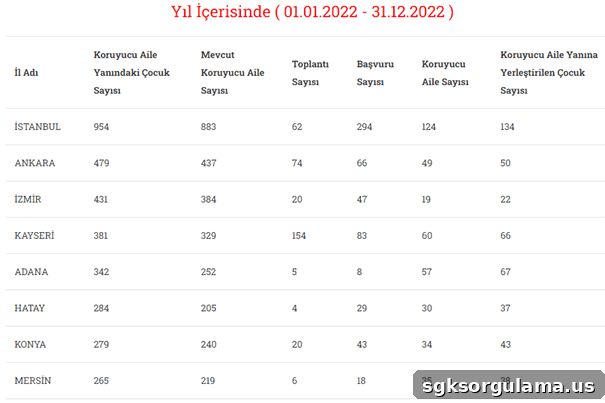
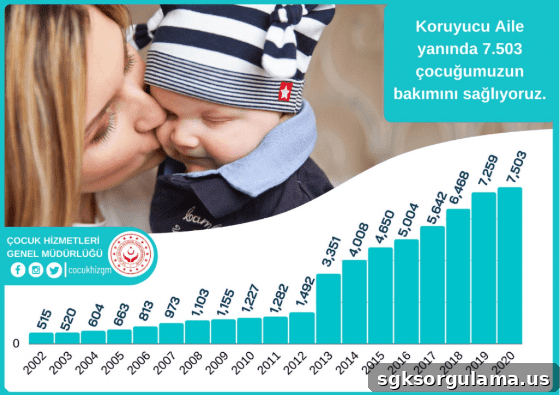
There are many advantages to being a foster family. Since adoption can take three to five years, families can benefit from foster care options to welcome a child sooner. Foster procedures are usually completed within about six months, and foster families receive financial support according to the child’s needs.
| FOSTER FAMILY ALLOWANCES | |
| 0-3 Years | 750.02 TL |
| 4-5 Years | 1125.03 TL |
| 6-14 Years | 1200.04 TL |
| 15-18 Years | 1275.04 TL |
| University Students Over 19 | 1275.04 TL |
What Is the Voluntary Family Service?
Voluntary family service involves visiting a child at their institution. You can volunteer to visit children living in care homes or foster houses at regular intervals. This service can be provided for a single child or for all children in the same residence. As a home volunteer, it is important to visit consistently, avoid intrusive questions, not take photos without permission, and behave in ways that make the child feel comfortable. If you do not meet adoption requirements or are waiting for adoption to be finalized, volunteering is a meaningful way to support children.