
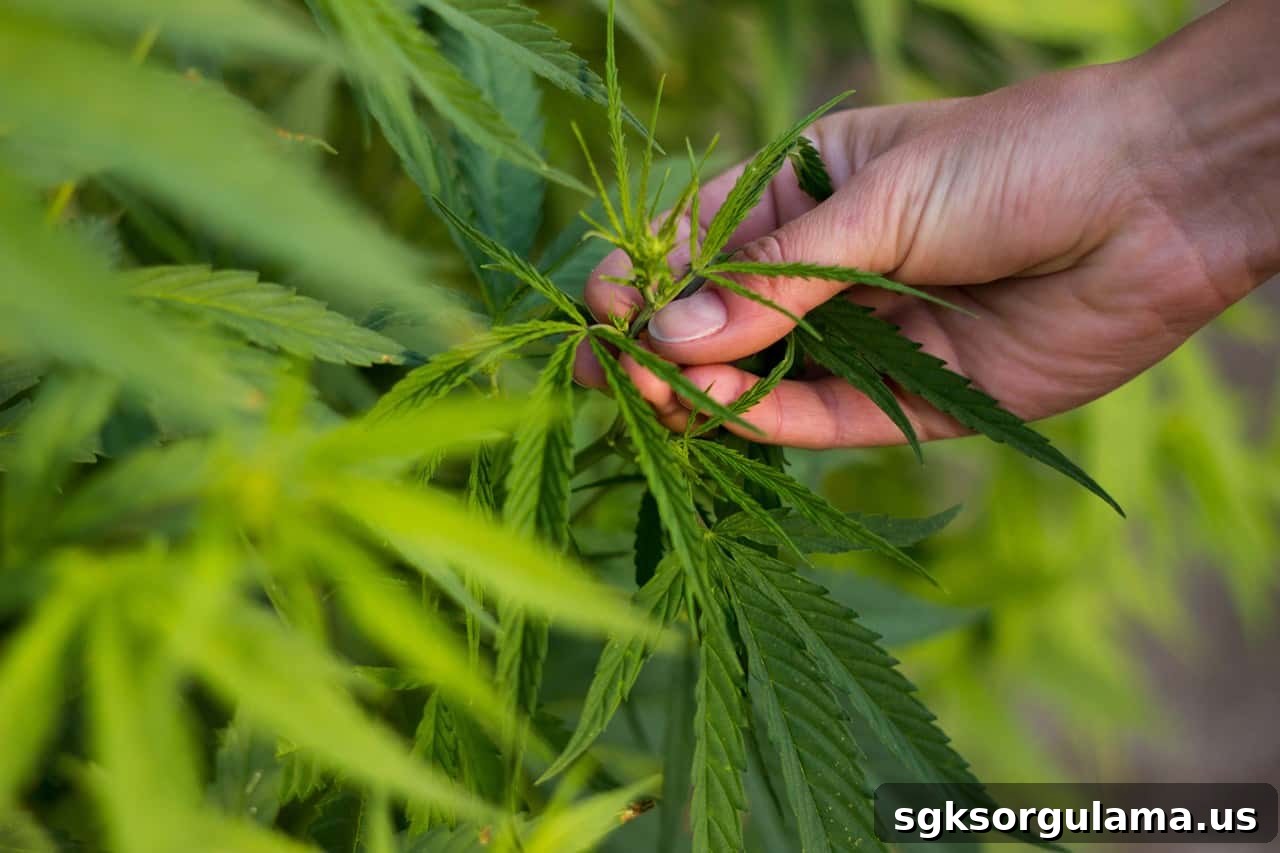
Hemp cultivation for agricultural purposes has become one of the production areas attracting attention and interest from farmers in recent years, especially with legal regulations introduced in our country. Hemp, widely used in industry, textiles, construction and pharmaceutical sectors, can be a productive and profitable crop when grown under suitable conditions.
However, hemp cultivation cannot be carried out freely. Those who want to produce hemp must apply to the Ministry of Agriculture and Forestry and obtain permission. In addition, the area to be planted must be registered and subject to inspection. Below we detail how hemp can be legally produced, which supports and incentives are available, the application process, the uses of agricultural hemp and planting techniques.
What is Hemp and Where Is It Used?
Hemp is a versatile plant in the Cannabaceae family, known for its fibrous structure and many uses. When the THC content is kept under control, it can be cultivated within legal limits. Industrial hemp, which does not have narcotic properties, is legally cultivated in many countries.
Main uses of hemp:
- Textile industry: Fabric, sacks and rope production.
- Construction sector: Hempcrete and insulation materials.
- Automotive industry: Production of lightweight components.
- Paper industry: Sustainable paper and cardboard production.
- Medical and cosmetics: Extracts from oil and fibers used in cosmetics and care products.
- Animal husbandry: Hemp seed can be evaluated as animal feed.
Is Hemp Cultivation Legal in Turkey?
Yes, controlled and permitted hemp production is legal in Turkey. With the regulation published in 2016, agricultural hemp cultivation was allowed in certain provinces with the approval of the Ministry of Agriculture. Permissions are granted for up to three years and are subject to continuous inspection.
Legal points to know:
- Cultivating hemp without permission is a crime and carries penalties.
- Applications for agricultural production must be made to provincial or district directorates of agriculture.
- Production is allowed only for fiber and seed purposes.
- Extracting products from hemp flowers or resin is prohibited.
- Annual sowing information must be reported to the authority every year.
Note: Hemp production is carried out under narcotics control. Fields are inspected at regular intervals.
Required Documents and Application Process for Hemp Production
Farmers who want to cultivate hemp must obtain an official permit by applying to the district agriculture directorate before production. The application period usually begins in January and continues through March each year.
Documents required for application:
- Petition (addressed to the provincial/district agriculture directorate)
- Copy of identity card
- Title deed or rental contract (for the land to be cultivated)
- Criminal record
- Declaration of intent to produce hemp
- Any previously obtained permits, if available
How the process works
- Submit the required documents to the provincial/district agriculture directorate.
- Teams inspect the land on site.
- If approved, a production permit is granted for up to three years.
- Sowing information must be declared annually in February.
Which Provinces Allow Hemp Cultivation?
Hemp production is permitted in certain provinces designated by the Ministry of Agriculture and Forestry. The list of provinces can change over time, but production is generally concentrated in the Black Sea and Central Anatolia regions.
Some provinces where hemp cultivation has been permitted:
- Samsun
- Amasya
- Kastamonu
- Zonguldak
- Çorum
- Tokat
- Karabük
- Yozgat
- Malatya
- Antalya
- Burdur
- Uşak
Note: Prospective applicants should obtain the current list of permitted provinces from provincial or district directorates before applying.
Considerations for Hemp Planting
Agricultural hemp cultivation requires technical knowledge and careful management. If climate, soil and care requirements are not met, yields can be low. Proper sowing time and harvest timing are especially important when producing for fiber and seed.
Basic planting information:
- Soil selection: Prefer light, humus-rich soils that do not retain water.
- Sowing time: Mid-April to early May is generally ideal.
- Seed selection: Use certified industrial hemp seeds with low THC content.
- Irrigation: Provide regular watering during germination and early growth stages.
- Fertilization: Nitrogen-focused fertilization is recommended.
- Harvest: Harvest for fiber at 80–100 days and for seed around 120 days.
Products Obtained from Agricultural Hemp
Nearly all parts of the hemp plant can be utilized. Beyond the stalk, seeds and leaves have different applications, making hemp a sustainable crop with significant economic value.
Main products from hemp:
- Hemp fiber: Used in textiles, ropes, sacks and similar products.
- Hemp seed: Used in oil production, feed and food additives.
- Hemp oil: Used in cosmetics and dietary supplements.
- Hemp extract (CBD): Although production is prohibited in Turkey, it is used in the pharmaceutical sector in some countries.
- Woody stalks: Used in construction and biofuel production.
Note: In Turkey, only industrial uses are permitted; medical production is not yet legal.
Government Incentives for Hemp Growers
The Ministry of Agriculture and Forestry and some regional development agencies implement support programs to encourage hemp production. These incentives aim to increase agricultural output and supply raw materials to domestic industry.
Main supports offered:
- Diesel and fertilizer support (payment per decare)
- Certified seed support
- Rural development grants (for machinery and equipment)
- TAR-GEL and IPARD supports (vary by region)
- Low-interest agricultural loans from Ziraat Bank
Note: To benefit from these incentives you must be registered in the Farmer Registration System (ÇKS).
Frequently Asked Questions (FAQ)
I want to grow hemp—what is the first step?
First, contact your provincial or district agriculture directorate to get information and prepare the application petition.
Is farmer registration mandatory to cultivate hemp?
Yes. You must be registered in ÇKS to obtain permits and benefit from supports.
Is it illegal to extract products from hemp flowers?
Yes. In Turkey only fiber and seed production is permitted; production of substances such as CBD is prohibited.
How long is the cultivation permit valid?
Permits are generally granted for three years, but annual production declarations are required.
Are there security checks for hemp cultivation?
Yes. Fields are regularly inspected, measurements are taken and reports are prepared.