
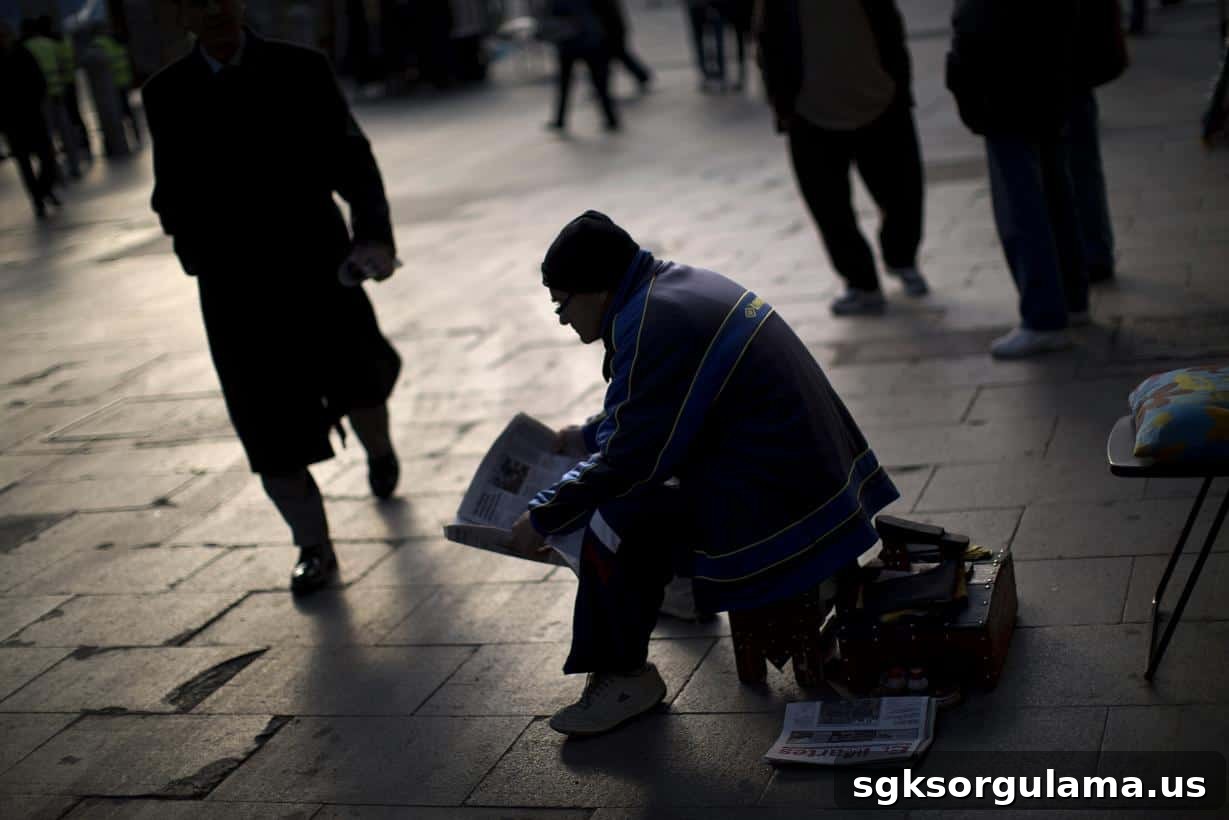
The coronavirus pandemic has had significant effects not only on health but also on the economy. Its economic impact has affected many employers and employees. Research indicates that, as a result of the pandemic and related economic disruptions, employment levels in Turkey have reverted to figures seen around 20 years ago.
The Pandemic Hurt the Economy
An assessment by the International Labour Organization (ILO) reports that economic conditions and employment rates in Turkey have slid back to roughly two decades earlier. The report highlights severe damage to the private sector and large declines in employment because of the pandemic and economic deterioration. Although a temporary ban on layoffs was in place during parts of the crisis, the labor market still experienced a substantial drop in employment due to the wider economic shock.
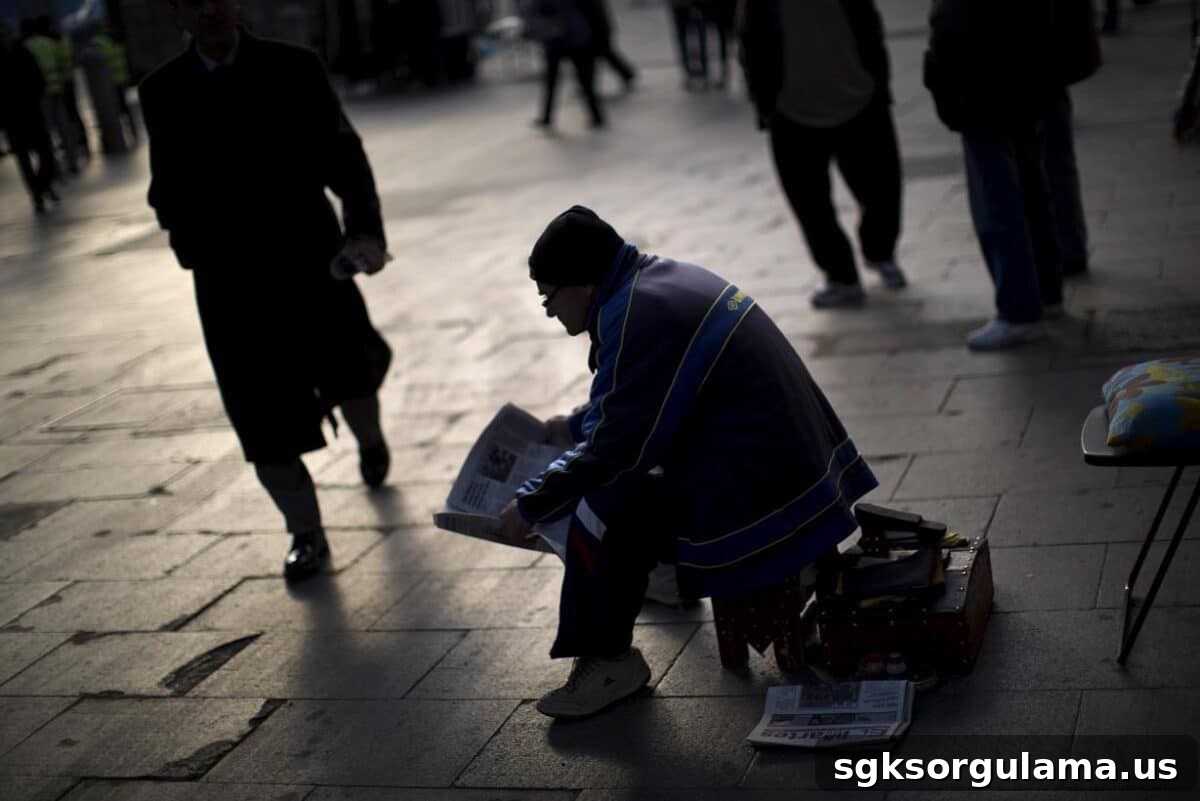
Many businesses also switched to short-time work arrangements, leaving numerous employees worse off. Experts emphasize, however, that while the pandemic clearly damaged the economy, it is not the sole cause of the downturn. They note that COVID-19 was a global problem and that in some advanced economies the pandemic did not lead to equally large drops in employment or economic output. Still, in Turkey the combined effect of the pandemic and ongoing economic difficulties pushed the labor market back to levels seen about 20 years ago.
Employment at Its Lowest Level
The ILO assessment points out sharp falls in employment during the pandemic. Although there was a modest recovery during the summer months, employment began to decline again from September onward. The summer uptick was driven mainly by the services sector in tourism-dependent regions. When the holiday season ended, many of those jobs, often based on fixed-term contracts, ended and employers let seasonal workers go. From September, employment figures fell sharply once more.
Experts warn that even if the pandemic were resolved through vaccination or other measures, its economic repercussions would persist for a long time. The study also notes that many workers who are not employed or who were placed on unpaid leave already accumulated debts and sought loans from banks to cover living costs, increasing their indebtedness while out of work. Repaying those debts and finding new employment are expected to take considerable time after the pandemic. In addition, once the temporary ban on dismissals expires, a large share of workers who had been kept on will likely be dismissed. The research emphasizes that, on these grounds, employment indicators in Turkey have fallen to levels comparable to those from around 20 years ago, especially affecting young people and women.
Informal Employment Increased
Informal employment saw a significant rise during this period. Young people and recent high‑school or university graduates were among the hardest hit groups. To survive financially, many young people and women resorted to informal jobs, which often paid below the minimum wage and provided no social security benefits. The number of employers also declined: from about 1 million employers in 2018 to roughly 800,000 by mid‑2020. This reduction in employers made job seeking more difficult and left questions about the fate of businesses that closed during the crisis.