

In Turkey, a country painfully familiar with earthquakes, public awareness about what measures to take before, during, and after a quake is vital. The major earthquake centered in Pazarcık, Kahramanmaraş, caused destructive effects across many provinces including Hatay, Gaziantep, Şanlıurfa, Malatya, Osmaniye, Kilis, Diyarbakır, Adana, and Adıyaman.
After the disaster, the so-called “survival triangle” (living triangle) has become a subject of intense interest. Experts emphasize that following recommended practices for creating and protecting a survival triangle during a quake can greatly increase the chance of emerging alive from under rubble.
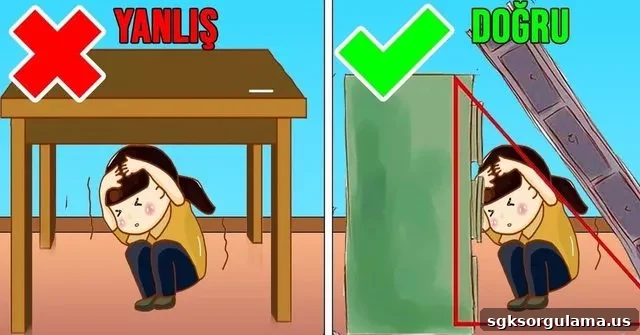
WHAT IS THE SURVIVAL TRIANGLE?
The survival triangle is a protective space that can form when a building collapses and objects or furniture create a void. In earthquake-prone countries like Turkey, this simple concept is a crucial protective technique everyone should know—from children to older adults. When applied correctly during a collapse, it can create a breathable cavity and prevent crushing injuries, increasing the chance of rescue.
As structures fail, heavy elements such as ceilings or large furniture may shift and settle on top of other items, leaving a small cavity underneath. This cavity—often created by rigid or bulky objects—can remain relatively intact and is referred to as the survival triangle. In many emergency situations, people (and even animals and infants) instinctively curl into a fetal-like position, which helps protect vital areas and makes it easier to occupy or maintain that space until help arrives.
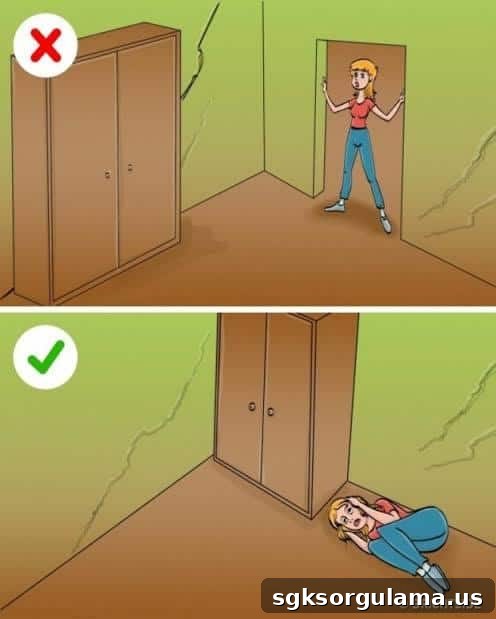
HOW TO CREATE A SURVIVAL TRIANGLE
Forming and protecting a survival triangle during an earthquake can significantly improve survival chances. Begin by covering your head with both hands and, if possible, use a protective item such as a pillow, book, or jacket to shield your skull from falling debris. Next, move to a safer spot if you can do so without exposing yourself to falling objects.
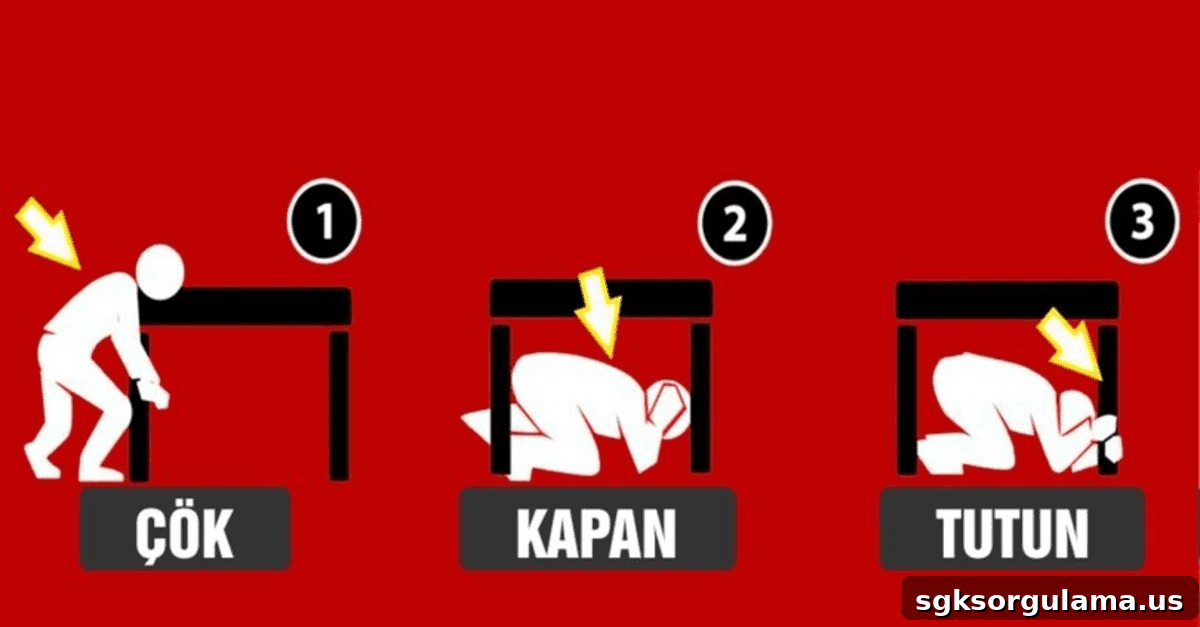
Once in a safer area, drop to your knees, curl in to protect your head and neck, and hold onto a stable object to avoid being thrown or sliding. Follow the “Drop, Cover, and Hold On” procedure: drop down, take cover to protect your head and torso, and hold on to something sturdy until the shaking stops. Doing this in a place where a gap can form beside or above you helps maintain a void that rescuers can reach.
Even a small cavity can be life-saving. If you can position yourself beside a solid object and hold a slightly angled posture so that a side gap remains, you increase the likelihood of a breathable space and easier extraction. In a country that regularly faces earthquakes, understanding these simple, practical steps and practicing them can save lives. Awareness of what to do during and after an earthquake is essential for every community and household.