
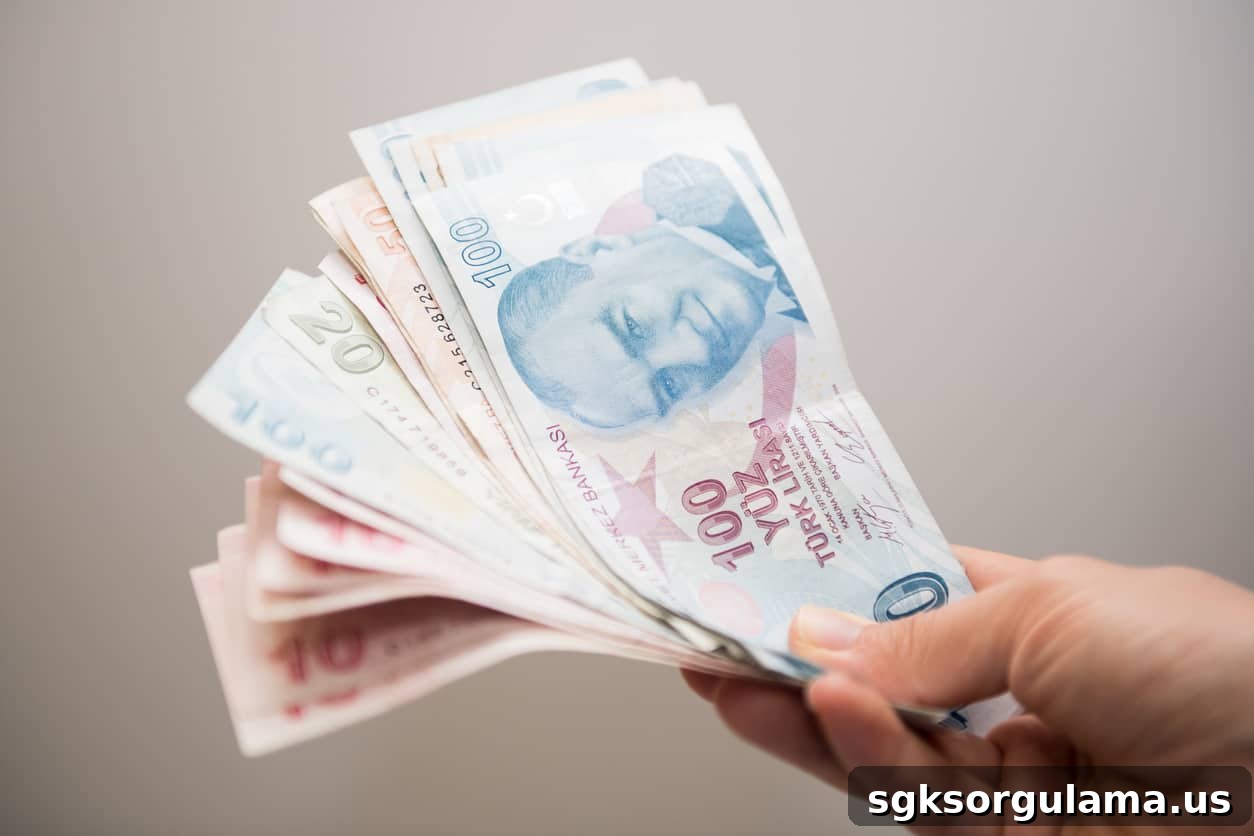
With the start of negotiations by the minimum wage determination commission, public attention has turned to how much the minimum wage will be. During these talks, taxes taken from the minimum wage are being discussed in detail, and stamp tax should not be overlooked.
What Is Stamp Tax?
As negotiations continue about the new minimum wage for the coming year, there is debate over how to increase net pay for minimum wage earners. One major concern is that various taxes reduce the take-home pay, and the issue of taxes on minimum wage earners has become central to the discussion. An often overlooked tax is the stamp tax. Monthly stamp tax deductions are applied to unpaid leave, short-time work allowance, and unemployment benefits. For individuals who have been on unpaid leave for months, the amount deducted as stamp tax can be significant.
The minimum wage commission will soon hold its second meeting to set the minimum wage for 2021. Worker representatives and unions participating in the talks are demanding that taxes applied to minimum wage earners be removed to ensure higher net pay. After the minimum living allowance is deducted from the minimum wage, income tax of 154 TRY and stamp tax of 22 TRY are charged. Because stamp tax is also deducted from payments made to those on unpaid leave, it becomes a noticeable deduction over time.
Stamp Tax Creates a Major Injustice
Millions of workers who have been financially affected by the pandemic feel powerless against the stamp tax application. Stamp tax is deducted from unemployment insurance fund payments such as unemployment benefits, short-time work allowance, and cash wage support for those placed on unpaid leave. For example, for workers placed on unpaid leave who receive 39 TRY per day from the fund, 0.30 TRY per day is taken as stamp tax. Since the cash support amounts to 1,177 TRY per month, a monthly stamp tax of 9 TRY is deducted, leaving the recipient with 1,168 TRY. That 9 TRY deduction is a meaningful amount for people who are unemployed and in hardship.
For unemployment benefit recipients, payments range between 40% and 80% of gross minimum wage, and monthly stamp tax deductions therefore vary between about 9 TRY and 18 TRY. Short-time work allowance varies between 60% and 150% of the minimum wage, so monthly stamp tax charged ranges from roughly 13 TRY to 33 TRY. These deductions place an extra burden on those who are already struggling to meet basic needs and create an unfair situation.
Number of People in Short-Time Work Has Increased
Stamp tax is applied not only to the minimum wage but also to short-time work, unemployment, and cash support payments, creating significant problems for workers during this period. The number of people receiving short-time work allowance rose again in November following renewed restrictions. In April, 3,243,000 people were benefiting from the allowance, while the number had fallen to 967,000 by October.
However, in November the figure increased to 989,000 and is expected to grow further in December. Although the amount deducted as stamp tax may be small from the state’s perspective, it matters greatly to those who receive the benefits. Removing stamp tax from both the minimum wage and support payments would provide relief and correct an injustice. So far, there has been no positive announcement from the government about eliminating stamp tax or other taxes on the minimum wage.
Policymakers, unions, and worker representatives continue to press for changes that would boost the net earnings of low-income workers. Addressing taxes like stamp duty on both salary and support payments is viewed by many as a necessary step to ensure that aid and minimum wage increases actually reach the people who need them most.