
Where was my car towed? This question is common for drivers in large cities. Vehicles parked improperly or violating traffic regulations are often towed by traffic authorities to designated impound lots. However, finding out exactly which lot your car was taken to can be confusing.
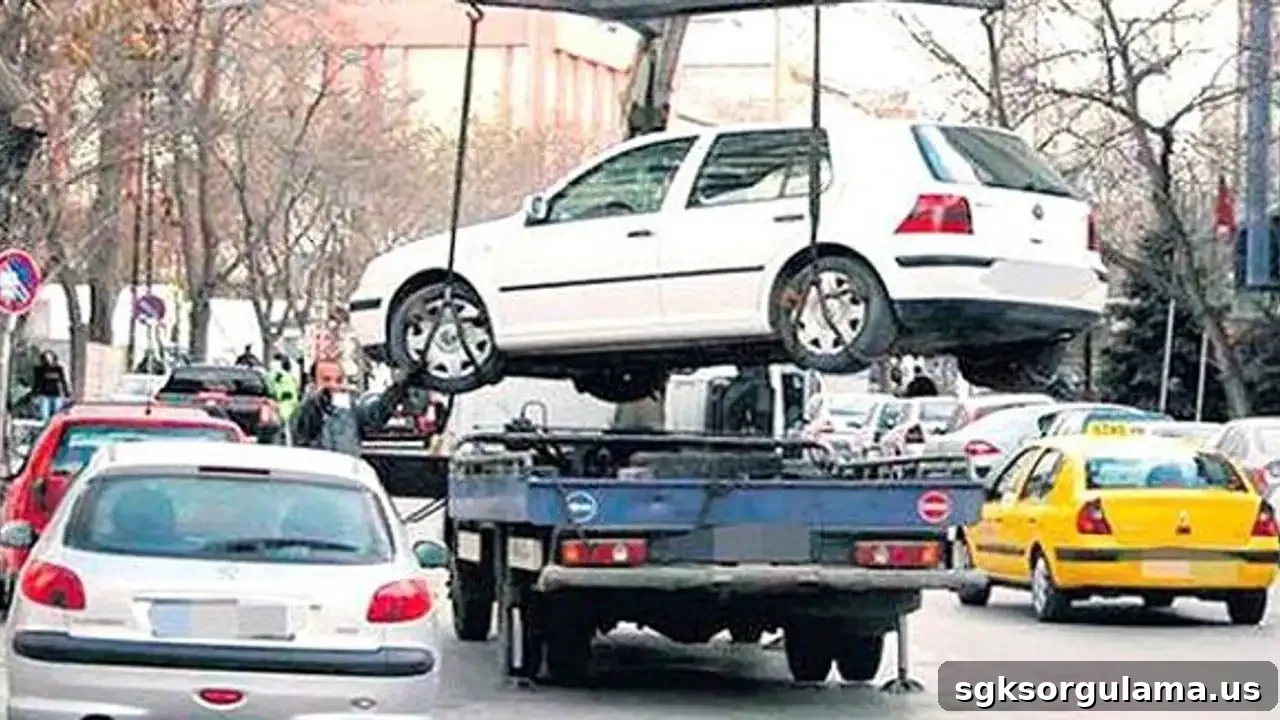
Towing operations are now tracked through digital systems. In this article we explain how to check a towed vehicle, the main ways to get information, typical impound fees, and what causes vehicles to be towed. We also outline the practical steps to take if your car is towed and how to retrieve it.
Why Are Vehicles Towed?
Most towed vehicles result from parking or traffic violations. Police and municipal enforcement officers have authority to tow vehicles to maintain traffic flow and pedestrian safety. The most common reasons for towing include:
Main Reasons a Vehicle Is Towed
- Blocking disabled ramps, access paths, or sidewalks.
- Parking in front of fire hydrants, fire lanes, or emergency exits.
- Parking within 15 meters of bus stops, intersections, or pedestrian crossings.
- Double parking or blocking traffic with two-row parking.
- Leaving a vehicle in an area marked with official prohibition signs.
- Parking during restricted hours when parking is prohibited.
- License plate obscured or unreadable.
- Leaving the vehicle unattended in a place that obstructs traffic flow.
In these situations, traffic police or municipal teams use tow trucks to move vehicles to authorized impound lots. A traffic fine is usually issued to the license plate and towing and impound fees are charged.
Which Impound Lot Was My Car Taken To?
The first thing many people ask when they notice their car is missing is “Which impound lot is my car in?” You can find your vehicle quickly using several simple methods without panicking.
Methods to Check a Towed Vehicle
1. e-Government (e-Devlet) Vehicle Inquiry
- Log in to the e-Government portal with your national ID and password.
- Search for “Towed Vehicle Information Inquiry” in the search bar.
- Enter your license plate on the resulting page to see which impound lot your car was taken to.
2. Call 155 Police Emergency Line
- Contact the nearest traffic branch or call the 155 emergency line to request information about your vehicle.
- The officer can query the system with the license plate and provide the impound lot location.
3. UYAP Citizen Portal
- The Ministry of Justice’s UYAP portal also provides vehicle tow information and often includes details of any related legal actions or fines.
4. Traffic Inspection Offices
- If online systems are unavailable, visit the nearest traffic inspection office to have the plate checked in person.
Note: In some large cities, municipal mobile apps or WhatsApp services also offer real-time tow information.
How Do I Retrieve My Towed Vehicle?
Retrieving a towed vehicle can be completed in a few steps. Missing documents or incorrect procedures can delay the process. Although many services are digital, some documents are still required in original form.
Documents Needed to Recover the Vehicle
- Vehicle registration document (original or notarized copy).
- National ID card.
- Notarized power of attorney if someone else will collect the vehicle.
- Proof of paid fines and tow truck receipt (and impound lot receipt if issued).
Steps to Follow
1. Before Going to the Impound Lot:
- Confirm which impound lot holds your vehicle using e-Government, 155, or other services.
- If there is a traffic fine, pay it online where available before going (for example through tax authority portals).
2. At the Impound Lot:
- Present your ID and vehicle registration.
- Pay the towing and impound fees.
- Sign the delivery receipt and take the vehicle.
3. If Picking Up the Vehicle by Proxy:
- The proxy must present a notarized power of attorney.
- The proxy must also show their own valid ID.
Warning: Impound fees increase quickly if the vehicle is not retrieved within a few days. Extended storage can lead to higher charges or even enforcement actions to recover unpaid fees.
Can I Appeal an Incorrect Tow?
Occasionally a vehicle is towed in error or due to a misunderstanding. Current regulations provide citizens the right to pursue legal appeals. If you believe your vehicle was unlawfully towed, you can follow specific steps to challenge the action.
How to File an Appeal
1. Gather Evidence:
- If you were not present when the vehicle was towed, collect photos or videos of the scene showing signage, markings, or lack thereof.
- Visual evidence is crucial if the reason for towing is unclear or if no sign was present.
2. Request the Official Report:
- Before or after towing, officers prepare a traffic administrative sanction report. Request this report and review the details.
3. Apply to the Criminal Court of Peace:
- You can file a petition with the local Criminal Court of Peace within 15 days from the date of the report.
- Attach a copy of the report, any evidence, and the vehicle registration to your petition.
4. Review and Outcome:
- The judge examines the evidence and, if the tow was improper, may cancel the fine.
- Impound and towing fees may be refunded where appropriate.
Note: In cases of wrongful towing or fines, you have administrative and legal remedies to pursue compensation or reversal of penalties.