
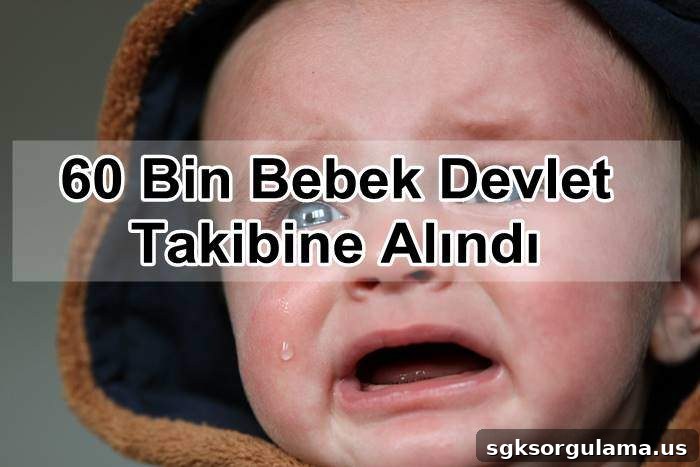
One of the best initiatives of 2017 is the program for monitoring malnourished children aged 0–5, a joint effort by the Ministry of Family and Social Services and the Social Security Institution (SGK). This measure, aimed at preventing illnesses caused by poor nutrition and feeding disorders, is a solid example of systematic public administration. SGK officers visit families at home to register children identified as at risk; after medical reporting, the institution covers all nutrition-related expenses. Authorities explained that while the initial aid provided in the first report may be sufficient, follow-up reports often reveal ongoing nutritional problems, which underscores the importance of continued state monitoring.
Ensuring food assistance for children with special nutritional needs is vitally important to prevent physical and mental developmental delays or impairments.
When a child requires special nutrition and the family cannot afford it, families can apply to the Social Security Institution. After an in-home visit, a medical report is prepared if needed, and both the family and child are placed under official follow-up.
In recent years, services focused on mothers and children have expanded. One such service is state assistance for mothers who give birth. Working mothers who apply to SGK and the Ministry of Family and Social Services may receive temporary incapacity pay for an eight-week period covering prenatal and postnatal leave and may also receive a breastfeeding allowance. In addition to financial birth support designed to help women remain active in the workforce, the state also provides assistance with daycare or nursery expenses for working mothers.
Is birth allowance paid to mothers who do not work? Yes. Unemployed mothers who submit the same application can also receive a birth allowance and a breastfeeding allowance. Although the state’s birth gift for non-working mothers is not as high as the benefit for employed mothers, a payment is still provided under certain state assistance programs.
These laws and programs that protect mothers and babies can be complex to navigate, but they represent encouraging steps toward safeguarding the health and nutrition of future generations.
To begin the process, simply apply at your local district governor’s office (kaymakamlık) or the Ministry of Family and Social Services. If your baby has a nutritional problem, authorities will initiate the medical reporting process and arrange the necessary follow-up.