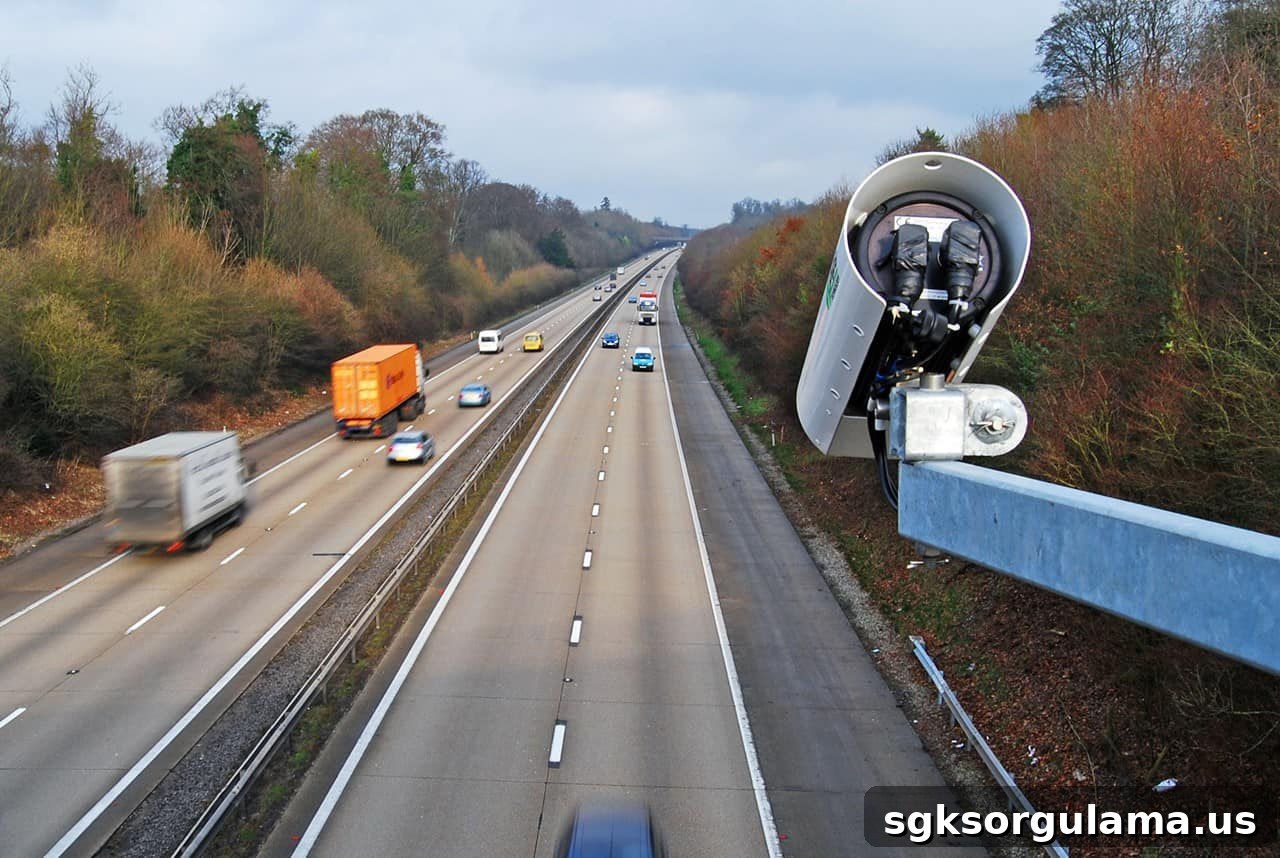
Drivers who exceed posted speed limits in intercity or urban travel receive speeding fines recorded by radar. In some cases, drivers may want to contest these fines. To file an objection, individuals should know how to object to a radar fine and how to draft a speeding fine objection form.
How to Object to a Radar Fine?
A driver who receives a radar-issued speeding fine must file an objection without undue delay. The objection process is as follows:
- After the fine notification is delivered, the driver has 15 days from the date of receipt to file an objection.
- Objections must be submitted to the Criminal Court of Peace (Sulh Ceza Mahkemesi) indicated on the notification.
- Filing an objection petition with the Criminal Court of Peace initiates the formal objection to the radar speeding fine issued in your name.
- Make sure the objection petition includes all requested information completely and accurately.
- Clearly state the grounds for your objection in the petition.
- Submit the objection petition together with any documents requested for the objection to the Criminal Court of Peace.
Documents to submit to the Criminal Court of Peace:
- Copy of your identity card (ID),
- Copy of the radar fine report,
- Copy of the vehicle registration certificate,
- Copy of the speeding fine notification sent to your address.
Submit these documents and your objection petition to the Criminal Court of Peace within 15 days of the notification delivery date.
What Is a Speeding Fine Form? Example
When drivers exceed speed limits, a radar-issued fine is recorded and a notification is sent. To contest the fine, drivers prepare a speeding objection petition. Key points to consider when drafting the petition are:
- Address the petition to the Criminal Court of Peace of the province where you will object.
- In the “Applicant” section, include your ID number and full residential address.
- In the “Opposing Party” section, enter the Provincial Traffic Inspection Branch Directorate and the relevant Traffic Inspection Station Command of the province where the fine was issued.
- In the “Notification Receipt Date” section, state the date the notification was sent to you.
- In the “Subject of Objection” section, indicate that you object to the monetary fine specified in the report.
- In the “Explanations” section, explain in detail and with reasons why you object to the fine.
- In the “Legal Grounds” section, cite relevant provisions such as the Highways Traffic Law, applicable regulations, and other legal provisions as appropriate.
- In the “Evidence” section, attach any photographic evidence included in the notification, if available.
- Attach the Administrative Monetary Penalty Report as EK-1.
- Attach precedent decisions, if any, as EK-2.
- In the “Conclusion and Request” section, request that the Criminal Court of Peace annul the fine for the reasons explained in the petition.
How Much Was the 2021 Radar Fine?
Radar fines are adjusted annually. In 2021, fines vary by the percentage by which the speed limit was exceeded: 10%, 30% and 50% thresholds determine different fee levels. The general maximum speeding fine was set at 1,339 TRY.
Notices reference articles such as 51/2-a, 51/2-b and 51/c of the Highways Traffic Law and related regulations. Following a 28.11.2020 Official Gazette update under the Tax Procedure Law General Communiqué, administrative fines were adjusted by an indexed rate.
2021 speeding fine amounts:
- According to article 51/2-a: exceeding the speed limit by 10–30% results in an administrative fine of 314 TRY and 10 penalty points.
- According to article 51/2-b: exceeding the speed limit by 30–50% results in an administrative fine of 652 TRY and 15 penalty points.
- According to article 51/2-c: exceeding the speed limit by over 50% results in an administrative fine of 1,339 TRY and 15 penalty points.
- Drivers who exceed speed limits under the scopes of 51/2-b and 51/2-c five times within one year may have their license suspended for one year.
How Much Is the Radar Fine on the Highway?
On intercity roads, fines depend on the posted speed limit and the degree by which it was exceeded. Example fines based on common intercity speed limits:
On roads with a 80 km/h limit:
- 88–104 km/h: 314.00 TRY
- 104–120 km/h: 652.00 TRY
- 120 km/h and above: 1,339.00 TRY
On roads with a 90 km/h limit:
- 99–117 km/h: 314.00 TRY
- 117–135 km/h: 652.00 TRY
- 135 km/h and above: 1,339.00 TRY
On roads with a 110 km/h limit:
- 121–143 km/h: 314.00 TRY
- 143–165 km/h: 652.00 TRY
- 165 km/h and above: 1,339.00 TRY
On roads with a 120 km/h limit:
- 132–156 km/h: 314.00 TRY
- 156–180 km/h: 652.00 TRY
- 180 km/h and above: 1,339.00 TRY
How Much Is the Radar Fine in the City?
When drivers exceed urban speed limits, fines are applied according to the degree of excess. For 2021, common urban fines for a 50 km/h limit are:
On roads with a 50 km/h limit:
- 55–65 km/h: 314.00 TRY
- 65–75 km/h: 652.00 TRY
- 75 km/h and above: 1,339.00 TRY
How Is a Radar Fine Calculated?
When drivers exceed speed limits in either intercity or urban areas, fines are calculated based on the posted speed limit and the amount by which it was exceeded. In 2021, the minimum speeding fine was 314.00 TRY and the maximum 1,339.00 TRY. The applicable fee depends on the specific speed thresholds for the zone where the infraction occurred.
Drivers can calculate the expected fine by comparing their recorded speed to the posted limit and applying the relevant bracket—urban or intercity—since the fee tables differ by the specified limits.
How to Check a Radar Fine?
Drivers can check speeding fines through several official channels: the national e-Government portal, the General Directorate of Security website, and the PTT (postal) website.
To check via the e-Government portal:
- Log in to the e-Government portal with your ID number and password.
- In the search box, enter “Vehicle Plate Fine Query (Individual)” and follow the link to view fines associated with your vehicle plate.
To check via the General Directorate of Security website:
- Visit the General Directorate of Security website.
- From the “Services” or “Transactions” section select “Traffic Fines and Parking Query.”
- Choose “Vehicle Plate Fine Query (Individual)” and you will be redirected to the e-Government portal to complete identity verification and view results.
To check via the PTT site:
- Visit the PTT fine payment and inquiry page.
- Under “Traffic Fine Query and Payment” follow the indicated link and enter your vehicle and identity information to view outstanding fines.
After checking fines, drivers who wish to object can prepare an objection petition and the supporting documents described above.
When Does a Radar Fine Arrive?
If you exceed the speed limit at a radar location, a fine is issued and a notification is sent to your registered address. The notification shows where and when the speed violation occurred, the recorded speed, and the applicable fine amount. Delivery time varies by location: notifications are usually sent within 10 to 30 days after the infraction, depending on local processing times.
When Does the Radar Fine Appear on E-Government?
If you do not want to wait for postal delivery, you can check for fines via the e-Government portal. For a fine to appear there, it must be uploaded to the system. Typically, a recorded speeding fine appears in the e-Government system within 3 to 7 days after the violation is processed.
Where to Pay a Radar Fine?
You can pay radar fines in person at the Tax Office. Online payment options are also available.
To pay online:
- Visit the Revenue Administration’s Internet Tax Office and go to the Motor Vehicles section.
- Enter the required vehicle and taxpayer information and proceed to payment; payment by credit card is available as a single installment.
Can You Pay a Radar Fine by Credit Card?
Yes. You can pay the fine by credit card via the e-Government portal or through banks. Payments are usually processed as a single charge. Available banks commonly supporting such payments include:
- Ziraat Bank
- Garanti BBVA
- İş Bankası
- Akbank
- Yapı Kredi
These banks generally allow payment by ATM, internet banking or mobile banking apps.
Is Installment Available for Radar Fines?
Credit card payments for traffic fines are typically accepted as a single installment. If you cannot pay the total amount at once, you may apply in person to the Tax Office for an installment plan. Installment approval is subject to the Tax Office’s discretion.
This article has explained in detail how to object to a radar fine and how to prepare a speeding fine objection form.