

After the earthquake that struck Kahramanmaraş and caused widespread devastation across ten provinces, many new dangers have emerged. In the wake of two major quakes, recovery efforts in the disaster zone are underway, but poor hygiene and other issues have raised concerns about the risk of infectious disease outbreaks.

As the effects of the earthquake continue to be felt across the region, several new worries have surfaced. Among the most alarming is the possibility of infectious disease outbreaks. Survivors face a difficult battle to rebuild their lives, and the combination of disrupted water supplies, inadequate sanitation, and exposure to hazardous substances released by fires could create conditions that favor the spread of disease.
COULD AN OUTBREAK START IN THE EARTHQUAKE ZONE?
With the grim toll of the earthquake becoming clearer each day, experts warn of another potential hazard: outbreaks of infectious disease. These illnesses can emerge when access to clean water is interrupted, sanitary conditions break down, or people inhale dangerous chemicals released by fires and damaged structures.
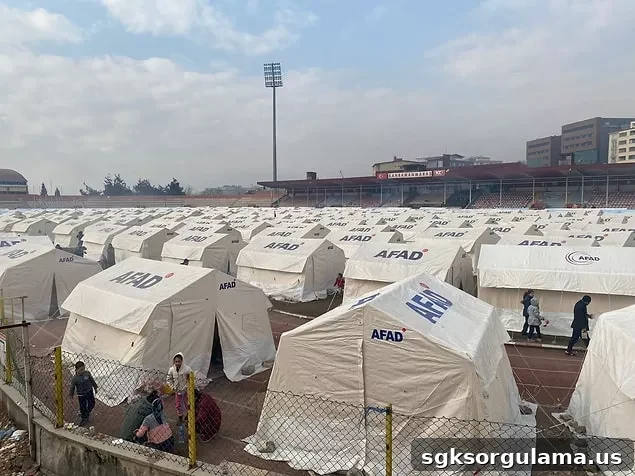
As with most natural disasters, earthquakes increase the risk of contagious diseases. Specialists emphasize the importance of taking preventive measures now to avoid compounding the existing tragedy with a secondary public health emergency.

UNDERSTANDING SYMPTOMS IS IMPORTANT
Health risks after an earthquake are typically considered in three phases. The first four days are critical for search-and-rescue operations and emergency treatment of the injured. The second phase, from day four to the fourth week, is when the first wave of infectious diseases and outbreaks can appear. In the third phase, after the fourth week, recovery usually begins, but attention must remain on infections with longer incubation periods.
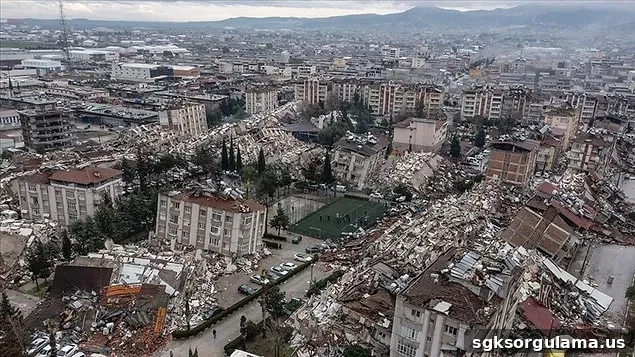
In disaster-affected areas, diarrheal diseases are among the most commonly reported illnesses. Contaminated water supplies and poor hygiene are primary contributors to these conditions.
HOW TO PREVENT AN OUTBREAK
To reduce the risk of disease in disaster zones, international guidelines recommend providing at least 2.5 square meters of shelter space per person and one toilet for every 20 people. Latrines should be located at least 30 meters downwind from living areas and 100 meters away from water sources to minimize contamination. Ensuring safe drinking water, improving sanitation, promoting personal hygiene, and setting up proper waste disposal are critical steps to prevent infectious disease spread.