

The earthquake and the tsunami that followed are estimated to cause insured losses exceeding 1.5 billion Turkish lira. Because a tsunami has occurred for the first time for many insurers in Turkey, policyholders and companies are asking whether tsunami damage will be covered by insurance policies.
Which Damages Will Insurance Cover?
The recent earthquake in İzmir and the resulting tsunami caused extensive damage to homes, vehicles and boats. Many buildings were destroyed or damaged, while cars and vessels were rendered unusable. Businesses also suffered losses from the earthquake and the tsunami. After search and rescue operations conclude, detailed damage assessments will begin. At that point, people want clarity about which damages insurers will pay. Questions are especially focused on whether compulsory earthquake insurance will cover all of the losses. Vehicle owners with comprehensive (kasko) coverage are also wondering whether earthquake and tsunami damage to their vehicles will be compensated.
While search and rescue efforts are still ongoing, insurers have already received more than two thousand damage reports. Since a tsunami of this scale is unprecedented in Turkey, statements from insurance companies are being closely watched. Many policyholders do not know whether their insurance policies explicitly include tsunami coverage.
Tsunami Damage Within Insurance Coverage
Private insurance policies sold by non-governmental insurers generally include coverage for losses listed in the policy limit, and that can include tsunami damage. Because insurers considered the likelihood of tsunami in Turkey to be low, tsunami risk was often bundled under related water risks such as flood and inundation. As a result, many policyholders have tsunami-related perils included in their contracts. However, insurers set limits and conditions for payment, and because they viewed the probability of a tsunami in Turkey as low, the exact upper limits and conditions for tsunami payouts may vary by company and have not yet been fully clarified.
In the İzmir region and surrounding areas where the earthquake occurred, the insured rate for homes—excluding compulsory earthquake insurance (DASK)—is about 25%. This means roughly one in three homes has a home insurance policy, and about one in three vehicles carries comprehensive (kasko) coverage. The same approximate ratio applies to businesses. In districts affected by the tsunami, such as Seferihisar, insurance and kasko penetration is lower. Preliminary estimates put insured losses in the area between 1.5 and 2 billion lira, excluding damages covered by DASK; this figure reflects losses to homes, kasko-covered vehicles, businesses, and boats that fall outside DASK coverage. Damage is therefore expected to be substantial. Many structures have what are called light or superficial damages, and when those are included the total insured loss could rise significantly.
Is Tsunami Damage Covered by DASK?
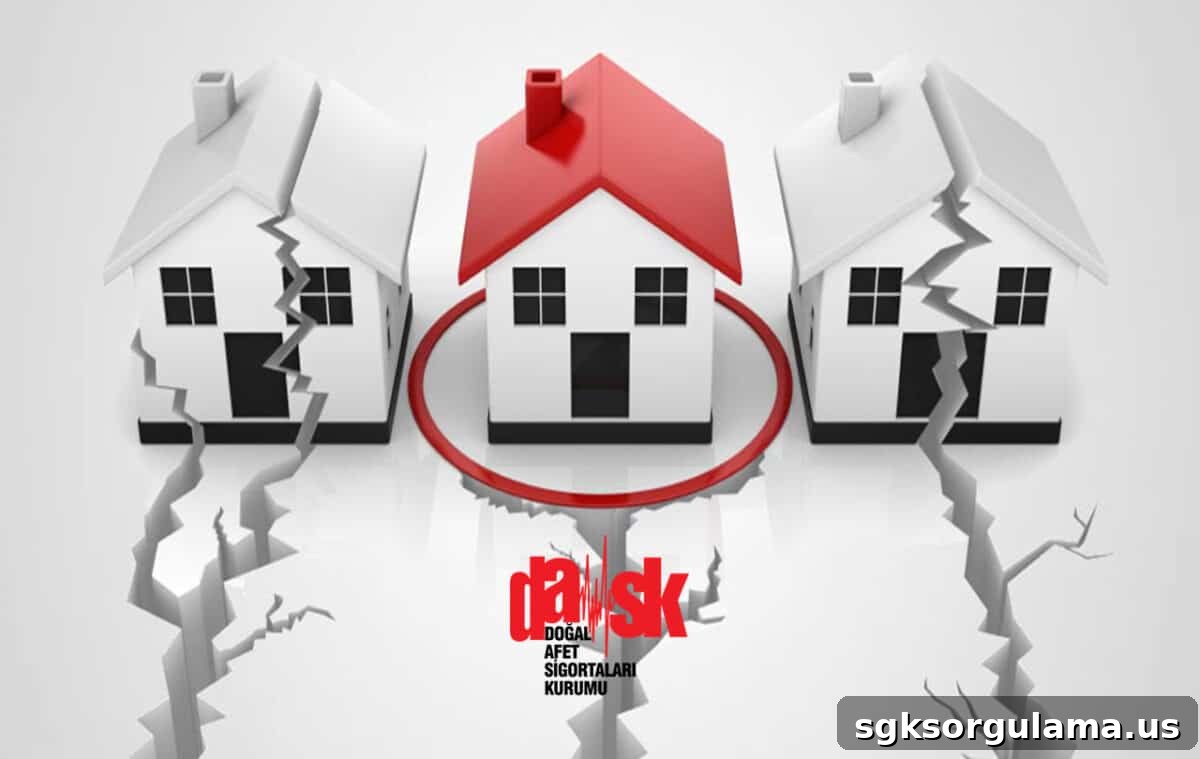
People are asking whether DASK—the compulsory earthquake insurance that every residence must have—covers tsunami damage. DASK policyholders can claim compensation for damage caused by a tsunami because the policy covers not only the earthquake itself but also consequential damages caused by the earthquake. However, DASK only pays for structural losses to residences classified as severe, medium or light damage, and it is subject to predetermined maximum limits. Damage to cars and boats caused by the earthquake or tsunami will only be covered if the owner has comprehensive (kasko) insurance. Within kasko, coverage for flooding and water inundation must be included for tsunami-related water damage to be paid; if those specific flood-related perils are excluded from the kasko policy, the damage will not be covered. Owners without kasko cannot request compensation for their vehicles. Kasko holders should review their policy terms and limits to determine whether their damage is eligible for payment.