
What is an early pregnancy test? When should an early pregnancy test be done? How is an early pregnancy test performed? These questions are common among women who suspect they may be pregnant. Unprotected intercourse or contraceptive failures increase the chance of pregnancy. Women use pregnancy tests to learn whether they are pregnant. The two most common types of pregnancy tests are home urine tests and blood tests. Home pregnancy tests are easy to use and give quick results. Below is clear information about early pregnancy tests, a type of home pregnancy test.
What Is an Early Pregnancy Test?
An early pregnancy test is a test that can be used earlier than a standard home pregnancy test by women who suspect conception. Standard home pregnancy tests are usually used after a missed period. An early pregnancy test is designed to be used before your expected period. It can be used as early as six days before the expected start of your period. If you think you may be pregnant after intercourse, consider testing one week later. Perform the test on the date when these two timeframes overlap. Waiting for the appropriate time is important because hormone levels change after fertilization. The hCG hormone begins to rise rapidly after fertilization, which pregnancy tests detect. For reliable results, follow the recommended timing for the early pregnancy test. Early pregnancy tests measure hormone levels. Many brands offer early pregnancy tests at affordable prices, typically ranging from about 1.50 to 15.00 in local currency. All home pregnancy tests are single-use and are available from pharmacies.
How Is an Early Pregnancy Test Done?
How do you use an early pregnancy test? Use an early pregnancy test the same way you would other home pregnancy tests. There are two main formats: tests where you collect urine in a cup and dip the test strip into the urine, and tests where you apply a specific amount of urine directly to the test device. The test result can appear in three ways:
- Two lines: Two lines indicate a positive result — the person is likely pregnant. Even a faint second line usually indicates pregnancy.
- One line: One line indicates a negative result — the person is likely not pregnant.
- No result: If no visible result appears, the test was likely performed incorrectly. This may mean urine was not applied correctly or insufficient quantity was used.
If the result shows no visible lines, do not reuse the same test. Use a new test.
To ensure an accurate result, follow the test’s written timing instructions exactly. Waiting less or more than the specified time can affect the accuracy.
How Reliable Is an Early Pregnancy Test?
Does an early pregnancy test give accurate results? Early pregnancy tests have accuracy rates above 90% when used correctly. However, this does not guarantee that every result is correct. Hormonal imbalances or errors with the test itself can affect the outcome. If you want greater certainty, you can also have a blood test, but remember every test has a margin of error. It is recommended that people who use an early pregnancy test repeat the test two days later. If you remain unsure after repeating the home test, try a standard home pregnancy test or consult your healthcare provider for a blood test.
Standard Home Pregnancy Tests
If you used an early pregnancy test and are not confident in the result, you can try a standard home pregnancy test a few days later. Standard home tests work on the same principle as early tests but differ in sensitivity and recommended timing. Early pregnancy tests detect the presence of hCG hormone in urine. hCG exists at low levels in all women but rises after an egg is fertilized. What distinguishes early pregnancy tests is the timing: they allow detection sooner than standard tests.
Standard home pregnancy tests are typically used after a missed period. For women with regular cycles, take the standard test 1 to 4 days after a missed period. For those with irregular cycles, wait 7 to 10 days after the expected period. Early pregnancy tests are intended to be used before a missed period. If you used an early pregnancy test and want confirmation, perform a standard test later.
Blood Test for Pregnancy
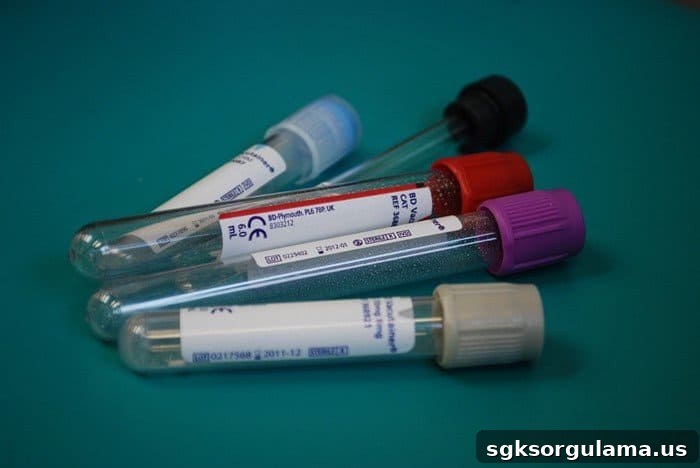
Blood tests are the most accurate pregnancy tests available, but timing still matters. A blood pregnancy test can be performed as early as two days before your expected period, but the most reliable timing is two days after a missed period. A blood test measures hormone levels directly from a blood sample. A single blood tube is usually sufficient to measure hCG, and laboratory measurement of hormones can take about 3 to 8 hours. Blood tests also have a small margin of error. If you ask, is an early pregnancy test reliable?, a confirmatory blood test can provide additional assurance.
If you have a delayed period, a negative test, and are not pregnant, there are several possible reasons. Emergency contraception taken after intercourse can disrupt your cycle, so if you used the morning-after pill, it may be the cause of irregular periods. Psychological stress and emotional factors can also affect the menstrual cycle. Some people who strongly expect pregnancy experience symptoms due to psychological factors. Hormonal disorders, such as elevated prolactin (milk-producing) hormones, can also cause irregular periods.
An ectopic pregnancy can also produce unexpected test results. Ectopic pregnancy occurs when a fertilized egg implants outside the uterus, most commonly in a fallopian tube. Although fertilization occurs, the embryo is not in the uterus. About two out of every 100 pregnancies worldwide are ectopic. Ectopic pregnancy causes hormonal changes and can be mistaken for a normal pregnancy. Ectopic pregnancies require medical attention and have available treatments.
What Are Common Pregnancy Symptoms?
Pregnancy brings many changes in the body due to hormonal shifts. Common symptoms experienced by many pregnant people include:
- Darkening of the nipples
- Increased sensitivity of breasts and nipples
- Heightened sense of smell and taste sensitivity
- Spotting or light bleeding in the vaginal area
- Frequent urination
- Nausea and vomiting
- Fatigue and increased sleep
- Missed period
- Bloating and early weight gain in the abdomen
- Feeling warmer than usual
If you experience these symptoms, taking a pregnancy test is a sensible step. These symptoms can also have other causes. If all tests are negative but symptoms persist, consult an obstetrician-gynecologist. Ultrasound is a reliable method for confirming and monitoring pregnancy.