
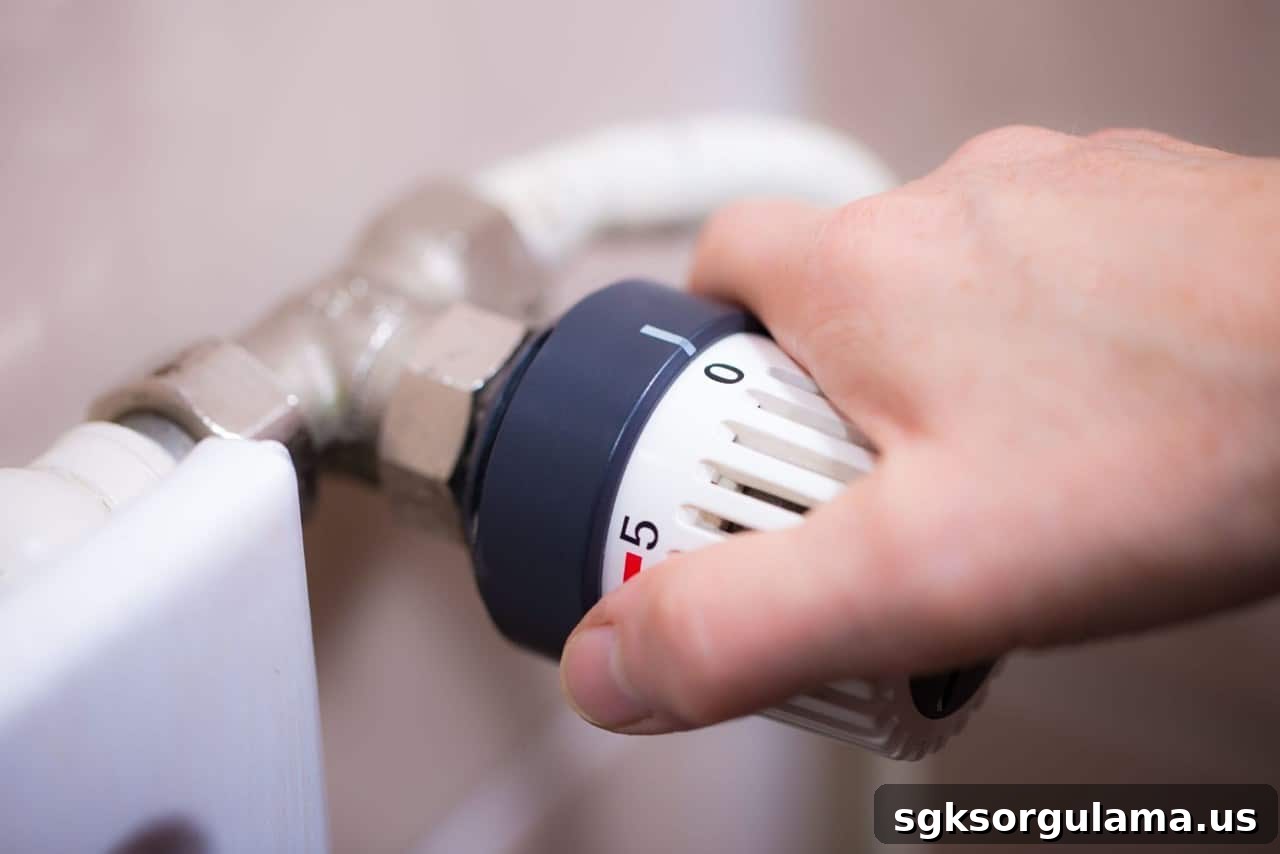
As winter approaches and heating expenses rise, people increasingly seek affordable and effective ways to stay warm. With practical, simple measures you can heat your home at a lower cost while improving energy efficiency.
Reducing Heating Costs During Winter
Lowering heating expenses in winter is important for every household. Colder winters, influenced by climate variability, raise the cost of keeping homes comfortable. In regions with frequent snowfall, heating bills often climb further. Price increases for electricity or natural gas also affect household budgets. Fortunately, with the right measures you can reduce winter heating costs without sacrificing comfort.
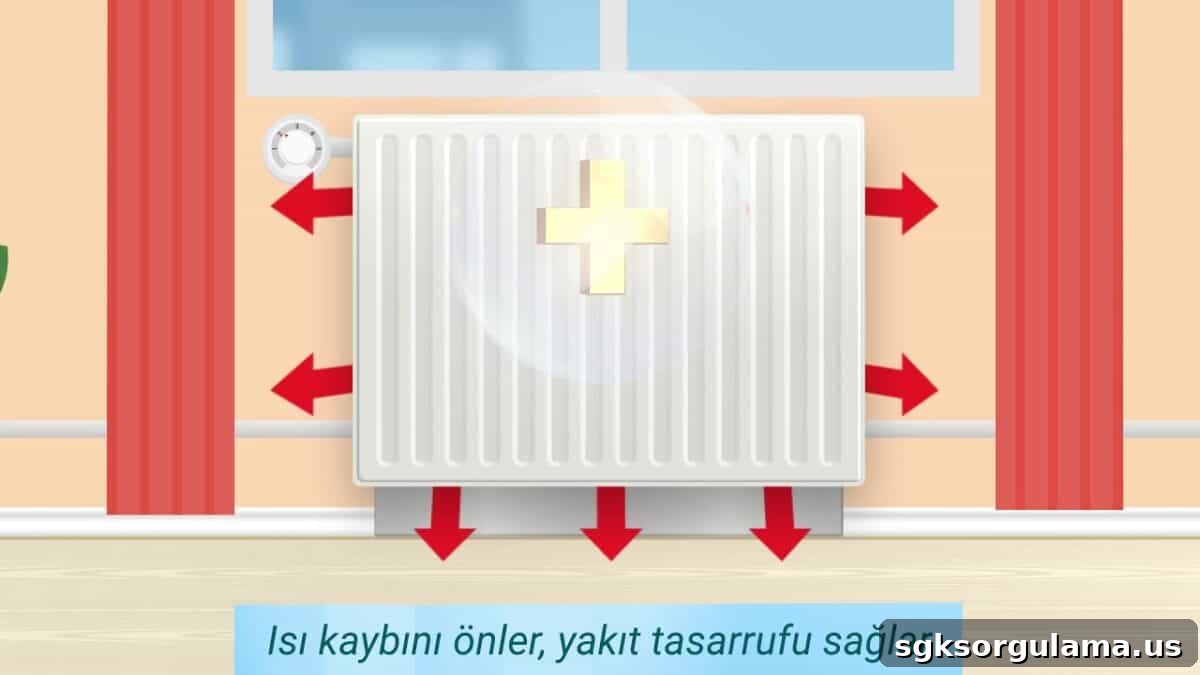
One of the most effective initial steps is improving building insulation. Many older buildings lack adequate insulation, which causes indoor spaces to become excessively cold in winter. The primary purpose of insulation is to minimize heat transfer between the interior and exterior surfaces. In other words, proper insulation blocks cold outdoor air and prevents warm indoor air from escaping, helping the heated air remain inside and improving overall heating efficiency. Insulation offers significant long-term savings on fuel costs and is often the top recommended investment to reduce ongoing heating expenses.
Keep Room Temperature Under Control
Controlling indoor temperature is essential to lowering heating costs. In homes that use natural gas, boilers (combi systems) react sensitively to temperature changes—even a one-degree change can cause them to run more frequently. Opening windows or having drafts forces the boiler to work harder, increasing gas consumption. Therefore, avoid opening windows unnecessarily and seal any leaks to maintain a stable indoor temperature.
Radiators should be unobstructed so warm air can circulate freely. Furniture, curtains, or other items placed directly in front of radiators block heat distribution and can make rooms feel colder, prompting higher thermostat settings. If curtains cover radiators, consider adjusting or tying them back. Seasonal radiator maintenance is also important: bleeding radiators removes trapped air and allows them to heat more effectively.
Methods That Save Energy and Money
Effective energy savings include keeping unused rooms closed and turning their radiators to the lowest setting. Concentrating heating on occupied areas improves comfort and reduces overall gas consumption. Another important point: do not fully turn off the boiler when the home is empty for extended periods. Completely shutting down the system requires more energy to reheat the space later, and the longer recovery time can increase costs. Instead, keep the boiler running at a low setting while you are away.
At night, and during evening hours, running the boiler at a low level rather than switching it off helps prevent excessive energy use when reheating. Additionally, applying extra insulation—such as weatherstripping around windows and doors—reduces heat loss. Choosing interior paint and finishes that contribute to thermal performance can also help: surfaces that aid in reflecting and retaining heat will improve overall heating efficiency and comfort.