

After the devastating earthquake centered in Kahramanmaraş that caused many casualties, recovery efforts continue across the region. Search and rescue operations and aid distribution are still under way. A state of emergency was declared after the quake, which affected 10 provinces and caused widespread destruction.
In recent days, discussions have grown about whether the general elections scheduled for May 14 should be postponed. Rumors in political circles about a date change have intensified, keeping the question of whether the vote will proceed on schedule in public debate.
WILL THE ELECTIONS BE POSTPONED DUE TO THE EARTHQUAKE?
The February 6 earthquake centered on Kahramanmaraş caused severe damage across provinces including Şanlıurfa, Adıyaman, Diyarbakır, Malatya, Osmaniye, Kilis, Adana, Hatay and Gaziantep. In the quake’s aftermath, conversations have emerged about possibly delaying the elections originally set for May 14.
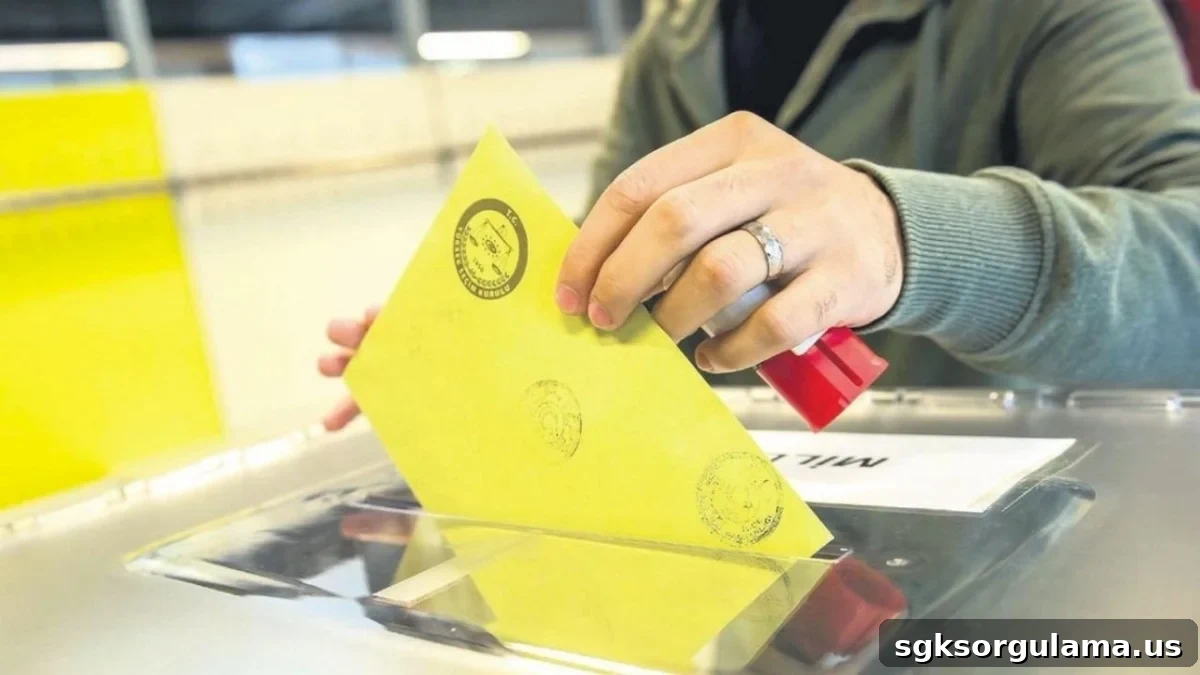
IYI Party leader Meral Akşener, addressing the issue, said she did not believe the elections would be canceled. She stated her view that, if rescheduled, the vote should take place not on May 14 but on June 18.
STATE OF EMERGENCY DECLARED IN THE REGION
To facilitate relief work after the quake that killed thousands and destroyed many homes, a three-month state of emergency (OHAL) was declared in 10 provinces. Following the parliament-approved decision, questions arose about whether elections might be postponed.

After the affected area, home to roughly 13.5 million people, was declared a disaster zone, debate in political corridors increased. So far there has been no definitive statement from the government. According to sources in the corridors, preparations at the Supreme Election Council (YSK) are proceeding as if the elections will be held on their scheduled date.
IS POSTPONEMENT LEGALLY POSSIBLE?
People are wondering what the constitution and laws allow regarding postponing elections. While the parliament or the president can advance or delay elections under certain conditions, the constitution sets limits. Article 77 states that parliamentary and presidential elections are held on the same day every five years, and provides that changes in timing are tightly constrained. Historically, the only clear exception for delaying parliamentary elections has been wartime; under those circumstances, postponement of up to one year has been considered possible.
At present, legal provisions and institutional practice suggest that postponing a nationwide election for reasons other than war is complex and would require clear legal justification and formal decisions by the relevant authorities. Until an official announcement is made, electoral bodies are continuing preparations with the scheduled date in mind, while authorities monitor the humanitarian and logistical situation closely.