
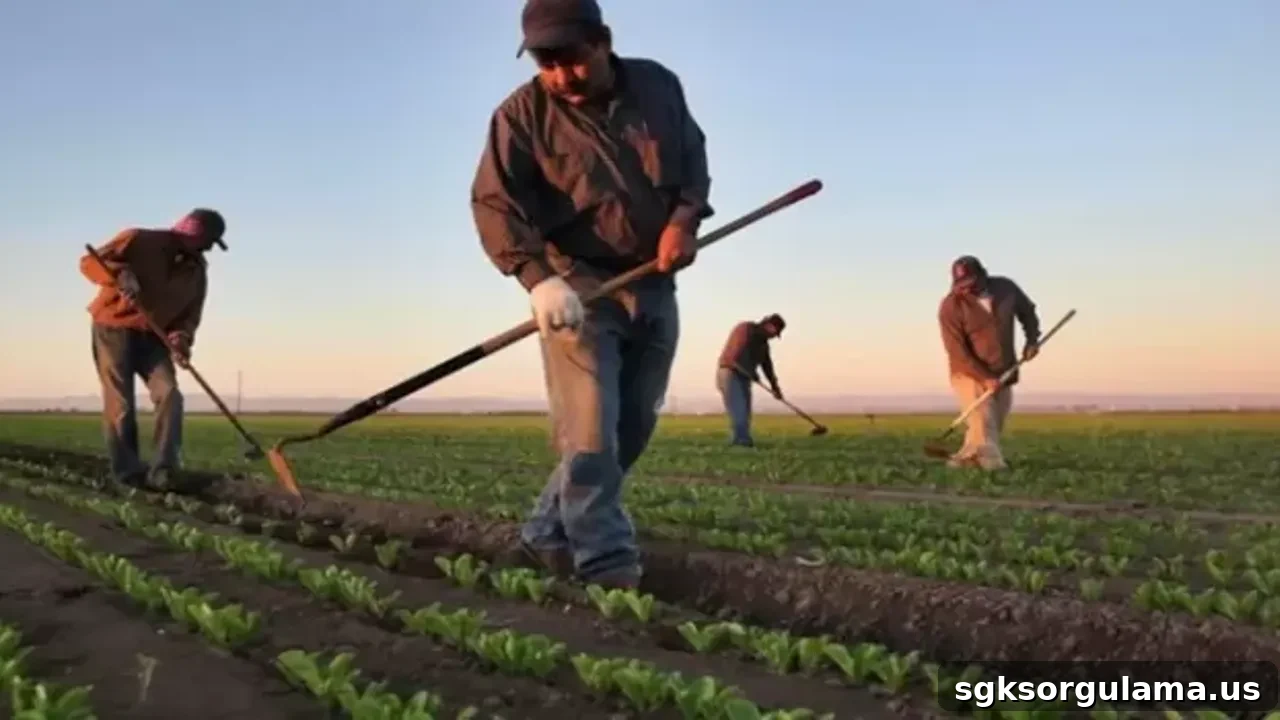
The agricultural sector remains a cornerstone of Turkey’s economy and rural life. In 2025, the state support provided to producers was significantly reorganized. Especially for field crops, support measures were simplified and grouped under a new system. Items such as fuel and fertilizer subsidies were combined under a single heading. Farmers are closely monitoring these changes and the opportunities offered by the government.
How Much Is the State Field Support in 2025?
In 2025, state field support began to be paid directly under a single item called “basic income support,” allocated by product groups. In other words, separate fuel and fertilizer subsidies were removed and replaced with a support model based on product groups. Under this system, the amount you receive depends on which product you plant.
2025 Field Support Amounts by Product Group
| Category | Products | Support per Decare (TL) |
|---|---|---|
| Category 1 | Safflower, lentil, grain maize, chickpea, dry onion, first group forage crops | 244 |
| Category 2 | Wheat, barley, second group forage crops | 317.2 |
| Category 3 | Oil sunflower, rapeseed, dry bean, soybean | 366 |
| Category 4 | Seed cotton | 549 |
| Others | Products not listed (“other products”) | 244 |
| Fallow | Areas left fallow | 73.2 |
- The highest support is given to cotton producers, followed by oil sunflower-soy and wheat-barley producers.
- Fallow areas receive a lower payment.
Basic Support System and Why It Changed
From 2025 onward, the government moved away from separate fuel and fertilizer subsidies and introduced a “basic support” system. The goal is to simplify support and encourage farmers to adopt planned and efficient production.
Basic Income Support was structured to cover approximately 50% of fuel costs and 25% of fertilizer costs for the farmer. This approach aims to promote planned production, registered farming and transparent tracking systems.
What Are Agricultural Basins and Planned Production?
Turkey adopted a basin-based support model, which determines the supported products and amounts according to the region where you live. That means priority products can differ by basin or region.
- In grain basins such as the Konya Plain, wheat and barley support stands out, while in the Aegean region cotton is prioritized and in the Southeast lentils are more prominent.
- To qualify for support, farmers must cultivate the products designated for their basin.
- Producers who practice planned production and keep records up to date can benefit from additional premiums.
What Are the Conditions to Receive State Field Support?
Key conditions for eligibility are:
- Being a citizen of the Republic of Turkey.
- Being at least 18 years old.
- Actively engaged in agricultural production.
- Registering in the Farmer Registration System (ÇKS).
- Producing the products planned for your basin.
- Accurately and timely declaring your land and planted products.
If you are not registered in ÇKS, you cannot benefit from any support. Therefore, ÇKS registration and annual updates must be completed regularly.
How to Apply for State Field Support
Applications are made according to the calendar set by the state each year. The Ministry typically collects applications in February and March.
Application Process Steps
- ÇKS Registration/Update: Done at provincial or district agriculture directorates or via e-Government. Existing farmers can update their records online.
- Product Declaration: Declare planted products and field sizes.
- Application Form and Documents: Submit ID, title deed/permit copy, and lease contract if applicable to the agriculture directorate.
- Petition and Additional Documents: Extra documents may be required for planned production.
- Approval/Inspection: Agronomists may conduct field visits and inspections.
- Application Tracking and Inquiry: Regularly track the application status via e-Government or the ministry website.
Failing to apply within the specified dates may cause loss of support rights. Ensure applications are completed before the end of the year and season.
When and How Are Support Payments Made?
Once applications are approved, farmers receive payments according to the timetable announced by the state.
- Initial payments are usually made in March–April.
- A second tranche is generally paid in September–October.
- Payments are transferred automatically to registered bank accounts.
- The Ministry of Agriculture and Forestry provides notifications about payments via SMS and online announcements.
Farmers should regularly check e-Government and their bank accounts on payment dates.
Which Products Receive How Much Support?
Support amounts vary by product, with higher rates for some strategic crops. According to the announced model:
- Cotton (seed): 549 TL per decare
- Sunflower (oil), rapeseed, soybean, dry bean: 366 TL per decare
- Wheat, barley, second group forage crops: 317.2 TL per decare
- Safflower, lentil, maize (grain), chickpea, dry onion, first group forage crops: 244 TL per decare
- Fallow: 73.2 TL per decare
- Other products: 244 TL per decare
Additionally, producers practicing planned production in designated basins receive an extra planned production support equal to the basic support amount.
Planned Production Support and Extra Advantages
Thanks to the planned production incentive introduced in 2025, some products receive an additional payment equal to the basic support amount.
Products Covered by Planned Production
- Barley
- Safflower
- Sunflower (oil)
- Wheat
- Rapeseed (canola)
- Dry bean
- Lentil
- Grain maize
- Chickpea
- Cotton (seed)
- Potato
- Dry onion
- Soybean and all forage crops
To benefit from planned production support:
- Your product must be included in a basin designated by the Agricultural Production Planning Board,
- The ÇKS records for the cultivated areas must be up to date.
In provinces declared as milk basins, producers of forage crops receive an additional planned production payment equal to 50% of the basic support.
Common Mistakes and Points to Watch
Incorrect applications, invalid declarations and late procedures can lead to support being denied or canceled.
- Update your ÇKS registration every year.
- Declare the true size of your field and crops accurately.
- Choose crops and locations that comply with the conditions of your basin.
- Track final application deadlines carefully.
If false declarations or missing documents are discovered, you may be disqualified from support or required to return payments.
2025 State Field Support Calendar
| Period | Activity |
|---|---|
| February – March | Application and announcement period |
| April – May | ÇKS updates |
| July – August | Field inspections and land checks |
| September – October | Payment dates |
At every stage, it is useful to follow the ministry’s official announcements or contact provincial/district agriculture directorates.
Tax Status of Support Payments
Agricultural support payments are generally exempt from income tax. However, tracking these payments in your accounting records is the farmer’s responsibility. For high-value payments, consulting an accountant may be beneficial.
Other Agricultural Supports Provided in 2025
Beyond field income support, many other state programs are available, including:
- Certified seed and sapling support
- Organic farming and good agricultural practices support
- Livestock startup support
- Young farmer grants
- Modern greenhouse supports
- Rural development and equipment support
- Biological and biotechnical pest control support (in greenhouses)
- Licensed warehouse rental support
Application and payment schedules for these programs may differ.
Field Support Inquiry and Tracking Results
After applying, you can track payments and results as follows:
- Access the “Agricultural Support Payments” section on e-Government.
- Query quickly via the Ministry of Agriculture and Forestry’s official website.
- Updates may be sent by SMS or email.
Payments are transferred to the bank account registered to the applicant’s name and can generally be withdrawn with identification.
Innovations in the 2025 Agricultural Support Model
- Merged fuel and fertilizer subsidies into a basic support item, reducing paperwork.
- Introduced additional incentives for planned production, providing extra support for strategic products.
- Updated per-decare support rates; different products now receive different amounts.
- Digitized agricultural supports; online applications and faster result tracking are enabled.
- Strict inspections are enforced to prevent common application errors.
These changes aim to create a more sustainable and planned agricultural model.
In 2025, state field supports became easier to follow thanks to their streamlined form. Basic payments, planned production incentives and other agricultural programs help reduce input costs and increase producer income. By applying on time, choosing the strategic products designated for your basin and keeping your ÇKS registration current, you can fully benefit from state support. Remember to follow annual updates and application dates from official sources to avoid losing entitlements.
When you understand the new structure of agricultural supports and take the right steps, you can make the most of the opportunities the state provides. Wishing you a productive agricultural year!