
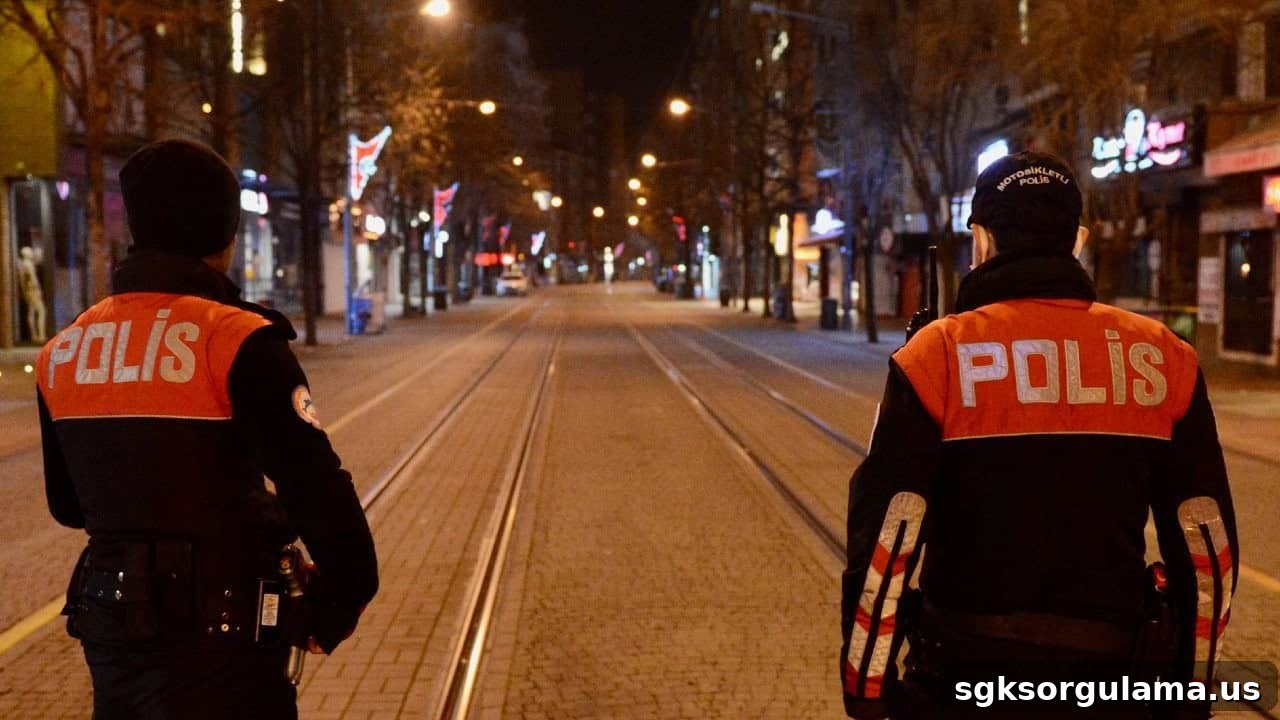
Police salaries were updated with a 19.31% raise applied in July 2024. How much are police salaries in 2024? At what age or after how many years can a police officer retire? Find the answers to these questions in the article below.
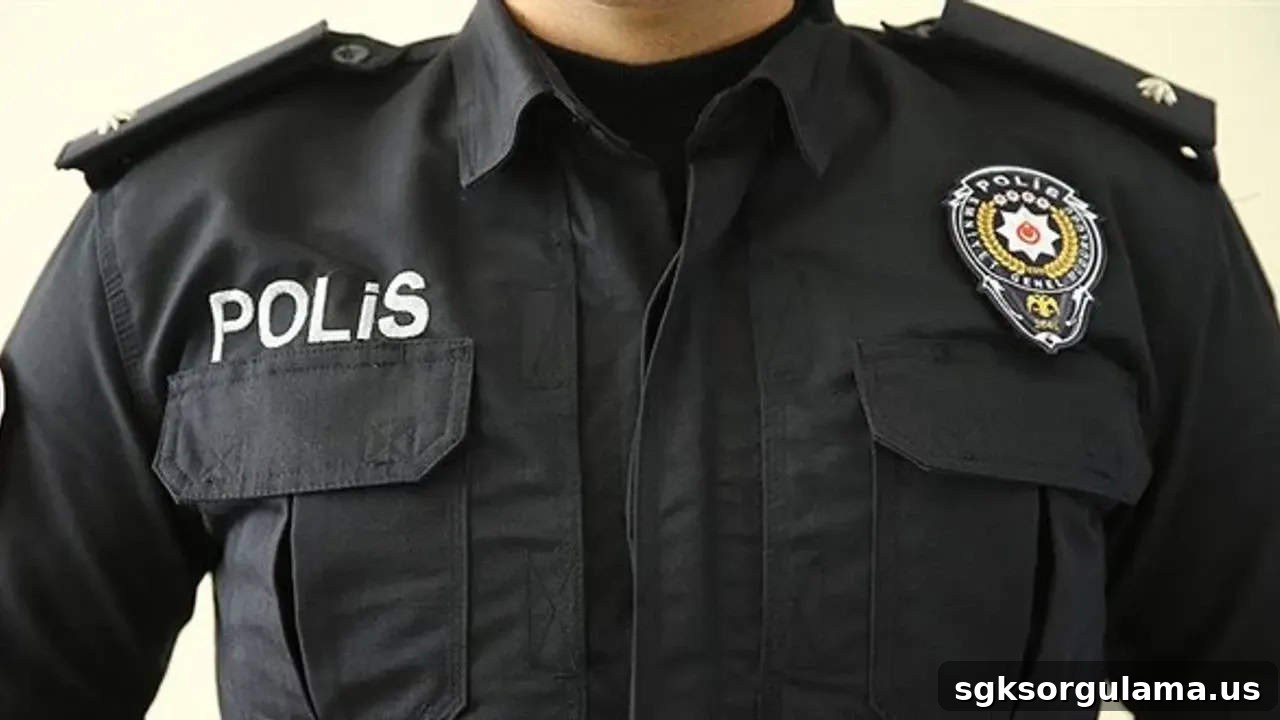
HOW TO BECOME A POLICE OFFICER
To become a police officer, candidates must enroll in the Police Academy. The Academy trains officers through three main institutions: Police Vocational Training Centers (POMEM), Police Vocational Schools (PMYO), and the Police Executive Training Center (PAEM). Entry to each institution requires passing specific exams and interviews.
- POMEM: Candidates with a university degree can apply to POMEM by taking the Police Profession Preliminary Application and Evaluation Exam (PÖB). Successful applicants advance to the Police Vocational Training Entrance Exam (PMEGS). Those who pass the exam are invited to the Police Vocational Training Entrance Interview (PMEGM). Candidates who succeed in the interview are enrolled in POMEM, which provides six months of training. Graduates who complete training successfully are appointed as Police Officers.
- PMYO: Candidates who have graduated from high school or an equivalent institution apply to PMYO by taking the Police Vocational Schools Entrance Exam (PMYG). Successful candidates are called to the PMYO Entrance Interview (PMYGM). Those who pass the interview are enrolled in PMYO, which offers two years of education. Graduates who complete the program are appointed as Police Officers.
- PAEM: University graduates may apply to PAEM by taking the Police Executive Training Entrance Exam (PAEG). Successful candidates are invited to the PAEM Entrance Interview (PAEGM). Those who pass enroll in PAEM, which provides one year of training. Graduates from PAEM are appointed with officer ranks.
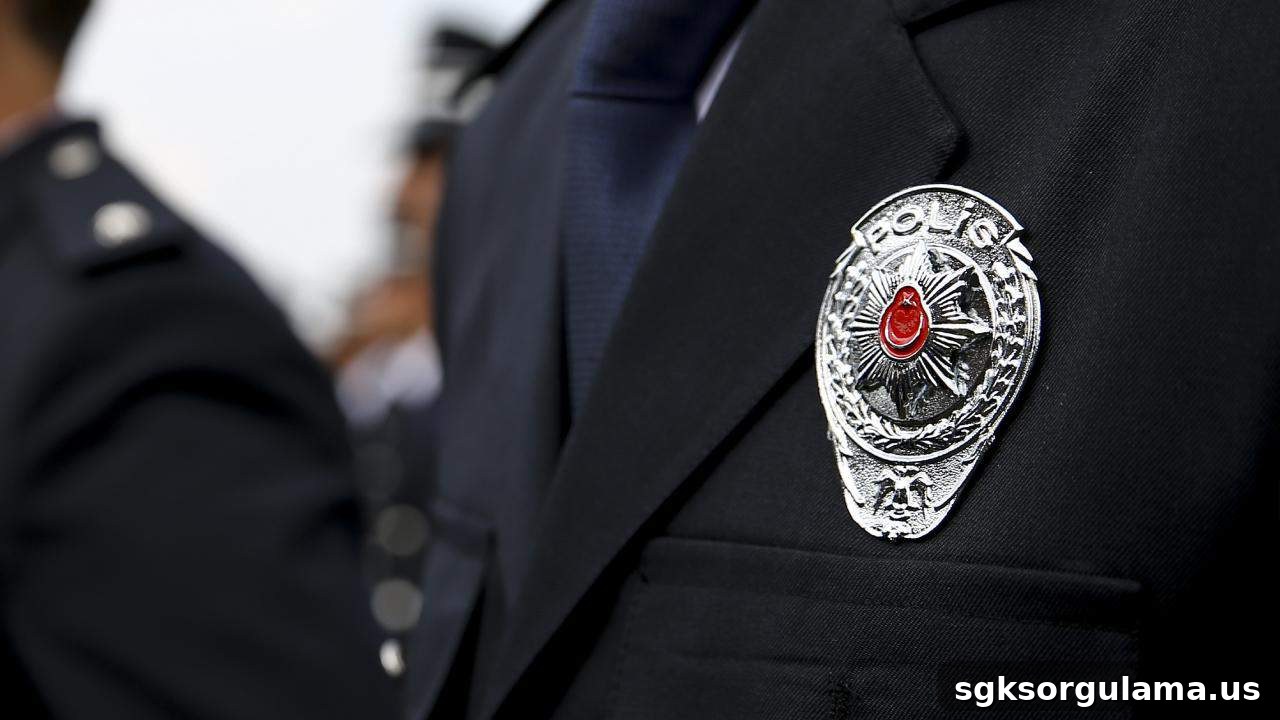
REQUIREMENTS TO BECOME A POLICE OFFICER
The general requirements to become a police officer include the following:
- Being a citizen of the Republic of Turkey.
- Having at least a high school diploma or equivalent (a university degree is required for POMEM and PAEM candidates).
- Being at least 18 years old and not yet having reached the 30th birthday (the age limit for PAEM applicants is under 35).
- Minimum height: 167 cm for male candidates and 162 cm for female candidates.
- The difference between the portion of the height over 1 meter and weight should not exceed ±10 kg.
- Being free of any medical condition or disability that would prevent performing police duties.
- Having a clean criminal record and archive registration.
- Not being subject to military obligations or not having reached an age requiring military service.
- Passing security clearance and archive investigation with positive results.

WHO CANNOT BECOME A POLICE OFFICER?
In addition to those who do not meet the basic eligibility criteria, the following categories of people are not eligible to become police officers:
- Individuals dismissed or expelled from the police profession.
- Candidates found to have committed forgery, false statements, irregularities or fraud in entrance exams or during training.
- Those who fail entrance exams or training evaluations.
- Candidates who exhibit disciplinary problems, moral insufficiencies, or conduct deemed incompatible with the profession during exams or training.
- Those dismissed from the profession due to unsuitable health conditions during the training process.
- Candidates who resign or withdraw during the training period.

2024 POLICE SALARIES: AFTER THE JULY INCREASE
Police salaries vary based on rank, seniority, duty location, additional payments, and tax bracket. Officers receive a variety of additional payments alongside base salary, such as:
- Law Enforcement Services Compensation (Emniyet Hizmetleri Tazminatı – EHT),
- Seniority/wear-and-tear allowance (Yıpranma Payı),
- Family allowance,
- Child allowance,
- Overtime pay,
- Revolving fund or other supplementary payments.
Police Salaries After the July 2024 Raise
Following the July 2024 increase, typical monthly salary figures have been updated approximately as follows (average amounts; actual pay varies by many factors):
Police Officer (grade 8/1): 52,551.3 TL
Police Officer (grade 11/1): 48,742.9 TL
Chief Inspector (Başkomiser, grade 8/1): 51,878.4 TL
Chief Inspector (Başkomiser, grade 3/1): 58,072.9 TL
Note: These figures are representative averages and can change depending on position, bonuses, and other variables.

WHEN CAN A POLICE OFFICER RETIRE?
Police officers retire according to the provisions of the Law on the Retirement Fund for Members of the Security Organization. Under this law, officers become eligible for retirement once they meet required age and service-time conditions.
Age requirements for retirement by rank are generally as follows:
- Police Officer: 55 years old.
- Senior Police Officer (Başmemur): 54 years old.
- Senior Chief Police Officer (Kıdemli Başmemur): 53 years old.
- Deputy Commissioner (Komiser Yardımcısı): 52 years old.
- Commissioner (Komiser): 51 years old.
- Chief Inspector (Başkomiser): 50 years old.
- Police Chief (Emniyet Amiri): 49 years old.
- Police Director (Emniyet Müdürü): 48 years old.
- Chief Inspector General (Başmüfettiş): 47 years old.
- General Director of Security (Emniyet Genel Müdürü): 46 years old.
Service-time requirements for retirement by rank are generally as follows:
- Police Officer: 25 years of service
- Senior Police Officer (Başmemur): 24 years of service
- Senior Chief Police Officer (Kıdemli Başmemur): 23 years of service
- Deputy Commissioner (Komiser Yardımcısı): 22 years of service
- Commissioner (Komiser): 21 years of service
- Chief Inspector (Başkomiser): 20 years of service
- Police Chief (Emniyet Amiri): 19 years of service
- Police Director (Emniyet Müdürü): 18 years of service
- Chief Inspector General (Başmüfettiş): 17 years of service
- General Director of Security (Emniyet Genel Müdürü): 16 years of service
These age and service thresholds determine eligibility for retirement, but individual circumstances, regulations, and any legislative changes can affect exact retirement timing and benefits. Candidates and officers should consult official sources or their institution for personal and up-to-date details.